
Search

    Language Settings
    Select Website Language

    GDPR Compliance

    We use cookies to ensure you get the best experience on our website. By continuing to use our site, you accept our use of cookies, Privacy Policy, and Terms of Service.

    Vehicle Insurance Claim Process in India: A Complete Guide

    21 hours ago

    Vehicle insurance is not just a legal requirement in India—it is a financial safety net that protects vehicle owners from unexpected losses. However, many people realize the true importance of insurance only when they have to file a claim. At that moment, confusion about documents, procedures, and timelines often creates stress.

    This detailed guide explains the vehicle insurance claim process for all major categories, including two-wheelers, cars, commercial vehicles, third-party claims, own damage claims, cashless claims, and reimbursement claims. Whether you are a first-time vehicle owner or an experienced driver, understanding this process can save time, money, and frustration.


    What Is a Vehicle Insurance Claim?

    A vehicle insurance claim is a formal request made by the policyholder to the insurance company for compensation after an accident, theft, fire, or any other insured event. Once a claim is approved, the insurer either pays for the repairs or reimburses the policyholder, depending on the claim type.

    The claim process may slightly differ based on the type of vehicle and policy, but the core steps remain similar.


    Common Documents Required for Any Insurance Claim

    Before understanding category-wise processes, it is important to know the basic documents usually required:

    • Valid insurance policy document
    • Vehicle Registration Certificate (RC)
    • Driving licence of the rider/driver
    • FIR (mandatory in theft or major accidents)
    • Photos or videos of the damaged vehicle
    • Claim form provided by the insurer

    Keeping these documents ready makes the claim process much smoother.


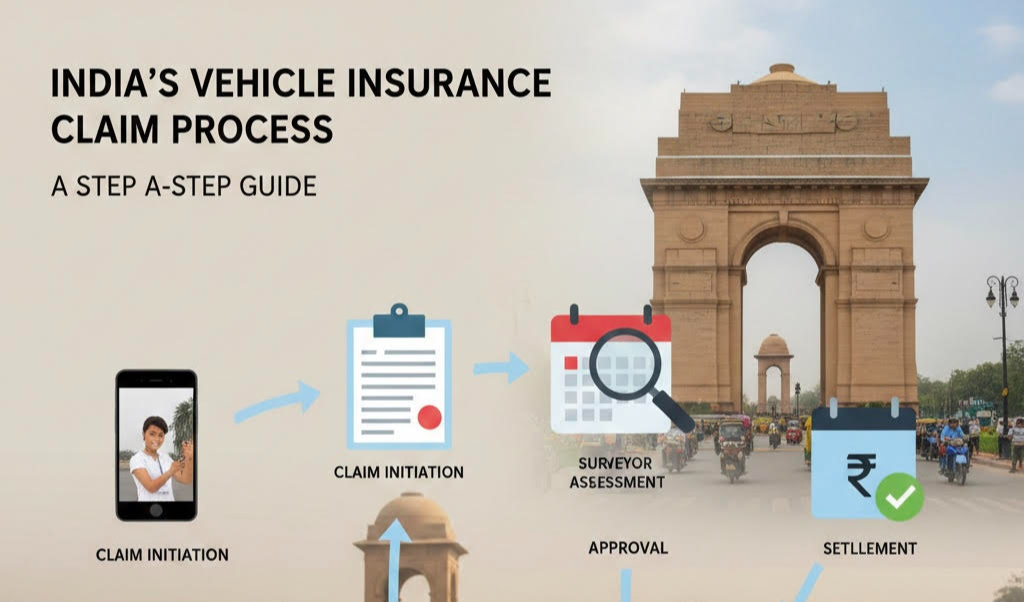
    Two-Wheeler Insurance Claim Process

    The two-wheeler insurance claim process is relatively simple and fast if done correctly.

    Step-by-Step Process

    • Inform the insurance company immediately after the accident or damage
    • Register the claim online, via app, or customer care
    • Submit required documents and vehicle details
    • Surveyor inspection (if required)
    • Repair approval and settlement

    For minor damages, many insurers allow instant approvals based on uploaded photos.


    Car Insurance Claim Process

    The car insurance claim process follows a structured approach, especially for accidental damages.

    Key Steps

    • Inform the insurer within 24 hours
    • Register claim and get claim reference number
    • Surveyor inspection at garage or location
    • Repair approval
    • Cashless repair or reimbursement

    Using a network garage usually speeds up the claim settlement.


    Commercial Vehicle Insurance Claim Process

    Commercial vehicles such as trucks, taxis, and delivery vans follow a stricter claim process due to higher risk and usage.

    Process Overview

    • Immediate claim intimation to insurer
    • Submission of permit, fitness certificate, and RC
    • Surveyor assessment
    • Repair estimation approval
    • Claim settlement

    Any missing commercial permit or expired document can lead to claim rejection.


    Third-Party Insurance Claim Process

    Third-party insurance claims are applicable when damage or injury is caused to another person or vehicle.

    How It Works

    • FIR is mandatory
    • Claim is filed through the Motor Accident Claims Tribunal (MACT)
    • Court evaluates compensation
    • Insurer pays third party as per court order

    Third-party claims usually take longer due to legal involvement.


    Own Damage Insurance Claim Process

    Own damage claims cover damage to your own vehicle due to accident, fire, flood, or vandalism.

    Steps Involved

    • Inform insurer and register claim
    • Vehicle inspection by surveyor
    • Repair approval
    • Claim settlement after repairs

    This type of claim is available only if you have own damage coverage.


    Cashless Insurance Claim Process

    A cashless claim allows repairs at a network garage without paying the full repair amount upfront.

    Cashless Claim Steps

    • Take vehicle to network garage
    • Garage coordinates with insurer
    • Survey and approval
    • Insurer pays garage directly

    You only pay deductibles and non-covered expenses.


    Reimbursement Insurance Claim Process

    If repairs are done at a non-network garage, reimbursement claims apply.

    Process

    • Pay repair bill yourself
    • Collect original invoices and receipts
    • Submit claim with documents
    • Insurer reimburses approved amount

    Reimbursement claims usually take more time than cashless claims.


    Common Reasons for Insurance Claim Rejection

    • Expired insurance policy
    • Drunk driving or illegal usage
    • Invalid driving licence
    • Delayed claim intimation
    • Incorrect or false information

    Following policy terms strictly helps avoid rejections.


    Tips to Ensure Smooth Claim Settlement

    • Always inform insurer immediately
    • Maintain valid documents
    • Do not repair vehicle before inspection
    • Choose network garages when possible

    Final Thoughts

    The vehicle insurance claim process may seem complex, but understanding each category makes it manageable. Whether it is a two-wheeler, car, or commercial vehicle, timely action and correct documentation are the keys to successful claim settlement.

    Insurance is meant to protect you during difficult moments. Knowing how to use it properly ensures that you receive the support you deserve when it matters the most.

    Click here to Read More
    Previous Article
    Helmet Fine in Different States of India
    Next Article
    EV Battery Life Explained: How Long Electric Vehicle Batteries Really Last

    Related Auto Knowledge Updates:

    Are you sure? You want to delete this comment..! Remove Cancel

    Comments (0)

      Leave a comment