Search

    Language Settings
    Select Website Language

    GDPR Compliance

    We use cookies to ensure you get the best experience on our website. By continuing to use our site, you accept our use of cookies, Privacy Policy, and Terms of Service.

    Latest

    Top 7 Best 7-Seater Cars in India

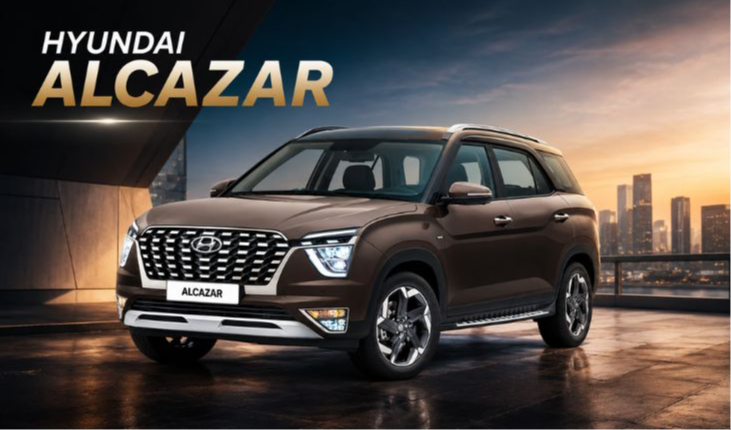
    In 2026, buying a 7-seater car in India is no longer just about seating capacity. Indian buyers now demand space, comfort, safety, strong engines, low maintenance, good resale value, and a stress-free ownership experience. Whether it is daily city driving, long highway trips, or family vacations, a 7-seater must handle everything with ease. This long-form guide covers the Top 7 Best 7-Seater Cars in India for 2026. Each vehicle is explained in equal depth under the same parameters to help you choose the right car without confusion. 1. Renault Triber – Affordable and Practical 7-Seater Design & Road Presence The Renault Triber follows a smart and functional design philosophy. Despite its compact footprint, it looks well-proportioned thanks to a bold front grille, sculpted bonnet lines, roof rails, and modern lighting elements. Its compact size makes it ideal for urban India while still offering the practicality of a 7-seater. Performance & Driving Experience The Triber is tuned for relaxed driving. It performs best in city conditions where smooth power delivery, light steering, and easy manoeuvrability matter more than outright speed. On highways, it remains stable at moderate speeds and is best suited for calm family cruising rather than aggressive overtaking. Interior, Space & Features Inside, the Triber surprises with intelligent space utilisation. The third row is removable, allowing the car to transform into a large boot carrier. Features include a touchscreen infotainment system, steering-mounted controls, rear AC vents, and multiple storage spaces. Exact Price Range The Renault Triber price in India starts from around ₹6.30 lakh and goes up to approximately ₹9.60 lakh (ex-showroom). Resale Value Resale value is average but acceptable for a budget-focused vehicle. Buyers primarily choose it for affordability rather than resale strength. Service Experience Maintenance costs are low. Renault’s service network is improving, though availability depends on city size. Positives Highly flexible seating layout Easy city drivability Negatives Limited engine power The third row is best for children Basic interior quality 2. Maruti Suzuki Ertiga – Reliable Family All-Rounder Design & Road Presence The Ertiga adopts a clean MPV design that prioritises practicality over aggressive styling. Its balanced proportions make it easy to drive and park while still looking mature and family-friendly. Performance & Driving Experience The petrol engine delivers smooth acceleration and excellent fuel efficiency. It handles both city traffic and highway journeys comfortably, making it ideal for families that frequently travel long distances. Interior, Space & Features The cabin is spacious and airy. The second row is extremely comfortable, and the third row is usable for adults on medium-distance journeys. Features include touchscreen infotainment, automatic climate control, and rear AC vents. Exact Price Range The Maruti Suzuki Ertiga starts from approximately ₹8.70 lakh and goes up to around ₹13.05 lakh (ex-showroom). Resale Value Ertiga enjoys one of the strongest resale values in the segment due to Maruti’s brand trust. Service Experience Maruti’s massive service network ensures low maintenance costs and easy servicing even in remote areas. Positives Excellent fuel efficiency Low maintenance cost Strong resale value Negatives Interior feels functional, not premium No SUV-like road presence 3. Kia Carens – Feature-Rich Modern 7-Seater Design & Road Presence The Kia Carens blends MPV practicality with SUV-inspired styling. Its modern design, sleek lighting, and premium details make it appealing to younger buyers. Performance & Driving Experience The Carens offers refined engines with smooth power delivery. Suspension tuning focuses on comfort, making it ideal for family-oriented driving. Interior, Space & Features The Carens stands out for its features: large touchscreen, ventilated front seats, connected car tech, multiple USB ports, and a comfortable third row for average-sized adults. Exact Price Range The Kia Carens price starts from approximately ₹10.45 lakh and goes up to around ₹18.95 lakh (ex-showroom). Resale Value Resale value is improving steadily as Kia strengthens its brand presence. Service Experience Kia’s service experience is generally positive with transparent service packages. Positives Segment-leading features Modern interior design Comfortable ride quality Negatives Top variants are expensive The third row is slightly tight for tall passengers 4. Hyundai Alcazar – Premium Urban 7-Seater SUV Design & Road Presence The Hyundai Alcazar offers a premium and elegant SUV design. It looks sophisticated and commands presence without appearing bulky. Performance & Driving Experience Refined petrol and diesel engines combined with smooth gearboxes make the Alcazar very easy to drive. It excels in urban conditions and long highway journeys alike. Interior, Space & Features The cabin feels premium with quality materials, a panoramic sunroof, digital displays, ventilated seats, and a well-insulated interior. Exact Price Range The Hyundai Alcazar starts from around ₹17.00 lakh and goes up to approximately ₹22.00 lakh (ex-showroom). Resale Value Hyundai vehicles enjoy strong resale value due to brand reliability. Positives Premium interior quality Negatives The third row is not good 5. Mahindra Scorpio-N (7-Seater) – Powerful Body-on-Frame SUV Design & Road Presence The Scorpio-N has massive road presence with a tall stance, muscular body, and bold styling that instantly stands out. Performance & Driving Experience Strong petrol and diesel engines deliver excellent torque. The Scorpio-N feels confident on highways and handles rough roads with ease. Interior, Space & Features The cabin balances toughness with modern features such as a touchscreen system, digital cluster, and advanced safety aids. Exact Price Range The Mahindra Scorpio-N starts from approximately ₹14.10 lakh and goes up to around ₹26.50 lakh (ex-showroom). Resale Value Strong resale value due to high demand and SUV image. Service Experience Mahindra’s service network is strong, especially in tier-2 and rural regions. Positives Powerful engines True SUV driving experience Negatives Fuel efficiency is lower Firm ride in city traffic 6. Tata Safari – Safety-Focused Premium SUV Design & Road Presence The Tata Safari carries a bold and premium SUV design. Its wide stance and strong body lines give it an imposing road presence. Performance & Driving Experience The diesel engine delivers strong mid-range performance. The Safari feels planted on highways and offers a comfortable ride for long journeys. Interior, Space & Features Inside, the Safari offers a spacious and premium cabin with a large touchscreen, panoramic sunroof, premium upholstery, and a focus on safety. Exact Price Range The Tata Safari starts from approximately ₹15.00 lakh and goes up to around ₹27.50 lakh (ex-showroom). Resale Value Resale value is improving steadily as Tata’s brand perception strengthens. Service Experience Tata’s service quality has improved significantly, though experience can vary by location. Positives Strong build quality Comfortable highway cruiser Negatives Large size for city use Fuel efficiency is average 7. Toyota Innova Hycross – The Benchmark Family 7-Seater Design & Road Presence The Innova Hycross focuses on space and comfort rather than aggressive styling. It looks premium and mature, perfectly suited for family buyers. Performance & Driving Experience The hybrid powertrain delivers smooth acceleration with excellent fuel efficiency, especially in city conditions. Ride quality is exceptionally comfortable. Interior, Space & Features The Hycross offers one of the most spacious and comfortable cabins in India. All three rows are usable for adults, making it ideal for long-distance family travel. Exact Price Range The Toyota Innova Hycross starts from approximately ₹19.80 lakh and goes up to around ₹31.00 lakh (ex-showroom). Resale Value Toyota vehicles have the strongest resale value in India, and the Hycross continues that legacy. Service Experience Toyota offers one of the most reliable and transparent service experiences in the country. Positives Best long-term reliability Excellent fuel efficiency Top resale value Negatives High initial cost Final Verdict Every 7-seater in this list serves a different type of buyer. Budget-focused families should consider the Triber or Ertiga, feature lovers will enjoy the Carens or Alcazar, SUV enthusiasts will prefer the Scorpio-N or Safari, while buyers looking for long-term comfort, reliability, and resale value will find the Toyota Innova Hycross unmatched.

    Honda Activa 110 vs TVS Jupiter 110 – Complete Detailed Comparison

    When it comes to buying a reliable 110cc scooter in India, two names dominate the market – Honda Activa 110 and TVS Jupiter 110. Both scooters are trusted by millions of Indian families, office commuters, students, and senior citizens. But even though they belong to the same segment, their approach, riding feel, and ownership experience are quite different. In this in-depth, point-by-point comparison, we will cover everything – price, engine, mileage, comfort, features, ride quality, maintenance, resale value, and real-life usability – so that you can decide which scooter truly suits your needs. 1. Price & Variants Comparison Price is the first deciding factor for most buyers. Both scooters are positioned as mass-market family scooters, but their pricing strategy is slightly different. Honda Activa 110 is generally priced in a more straightforward manner. The base variant focuses on essentials, while higher variants add convenience features like alloy wheels, smart key, and subtle design updates. TVS Jupiter 110, on the other hand, offers a wider spread of variants. The base model is competitively priced, but higher trims become costlier due to additional technology, digital features, and styling enhancements. Verdict: If you want predictable pricing and value retention, Activa feels safer. If you want more options and are willing to pay extra for features, Jupiter gives flexibility. 2. Engine & Technical Specifications Both scooters use air-cooled, single-cylinder petrol engines designed for daily city usage rather than high performance. Honda Activa 110 Engine Engine tuned for smoothness and long life Linear power delivery Very low vibration levels Engine prioritizes refinement over aggression TVS Jupiter 110 Engine Slightly larger displacement Torque-focused tuning Better low-speed pull Verdict: Activa’s engine feels calmer and more relaxed. Jupiter feels slightly more energetic, especially when riding with a pillion. 3. Mileage & Fuel Efficiency Mileage is extremely important for Indian scooter buyers, especially those using it daily for office or household work. Honda Activa 110 is known for its consistent fuel efficiency. Its engine tuning focuses on delivering stable mileage even after years of usage. TVS Jupiter 110 also offers good mileage, but its stronger torque and feature-heavy setup can sometimes lead to slightly lower real-world efficiency depending on riding style. Verdict: If maximum mileage and long-term consistency matter, Activa has a slight edge. Jupiter still performs well but is more riding-style dependent. 4. Ride Quality & Comfort Seat Comfort Activa’s seat is firm and supportive, ideal for short to medium commutes. Jupiter offers a wider and more cushioned seat, making it more comfortable for long rides and pillion comfort. Suspension Setup Honda Activa absorbs bumps smoothly at moderate speeds. TVS Jupiter feels more stable on broken roads and uneven surfaces. Verdict: For daily city rides – both are comfortable. For rough roads and longer rides, Jupiter feels more forgiving. 5. Design & Road Presence Design preference is subjective, but brand philosophy is clearly visible. Honda Activa sticks to a conservative and familiar design language. It looks simple, mature, and appeals to all age groups. TVS Jupiter looks more modern and premium with sharper lines, chrome touches, and a slightly sporty stance. Verdict: Activa = timeless and family-friendly Jupiter = modern and stylish 6. Features & Technology Honda Activa 110 Features Simple instrument console Engine start/stop system External fuel filling TVS Jupiter 110 Features Digital instrument cluster Bluetooth connectivity Navigation and call alerts Larger under-seat storage Front fuel filling Verdict: Jupiter clearly wins in features and technology. Activa focuses more on simplicity and reliability. 7. Braking, Wheels & Safety Both scooters come with combined braking systems for safety. Jupiter offers better wheel balance and braking confidence, especially in higher variants. Activa’s braking is adequate but feels more basic. Verdict: Jupiter feels slightly safer and more confident at higher speeds. 8. Maintenance & Service Experience Honda Activa has one of the strongest service networks in India. Spare parts availability, resale value, and long-term ownership cost are excellent. TVS Jupiter also has a good service network, but ownership experience can vary depending on the city and dealer quality. Verdict: For peace of mind and resale value – Activa wins. For feature-rich ownership, Jupiter still holds strong. 9. Long-Term Ownership & Resale Value Activa has legendary resale value. Even old models fetch good prices in the used market. Jupiter resale is decent, but Activa still commands stronger brand trust. 10. Final Verdict – Which One Should You Buy? Choose Honda Activa 110 if: You want maximum reliability Mileage is your top priority You plan to keep the scooter for many years You prefer low maintenance and high resale Choose TVS Jupiter 110 if: You want modern features and technology You ride on bad roads frequently You want a premium feel in a 110cc scooter Real-Life Usage Comparison When choosing between the Honda Activa 110 and TVS Jupiter 110, specifications alone are not enough. What truly matters is how these scooters perform in real Indian conditions – crowded city roads, narrow lanes, speed breakers, potholes, traffic jams, and daily family usage. Daily Office Commute Experience For daily office-goers, the Honda Activa 110 feels extremely predictable and stress-free. Its throttle response is smooth, which helps in slow-moving traffic where constant braking and acceleration are required. The scooter never feels jumpy, making it ideal for riders who prefer a calm and controlled riding style. TVS Jupiter 110, on the other hand, feels more responsive at lower speeds. This becomes helpful when overtaking slow vehicles or climbing flyovers with a pillion. However, riders who prefer very smooth power delivery may find Jupiter slightly more aggressive compared to Activa. Family & Pillion Comfort For family usage, especially when riding with parents, spouse, or children, comfort plays a huge role. Jupiter’s wider seat and better cushioning provide superior comfort for the pillion. The flat footboard also makes it easier to carry grocery bags, gas cylinders, or school bags. Activa offers decent comfort, but its seat feels firmer on long rides. It is still perfectly suitable for family use, but Jupiter clearly feels more spacious and accommodating. Handling Bad Roads & Speed Breakers Indian roads are unpredictable, and suspension quality becomes extremely important. TVS Jupiter handles potholes, rough patches, and uneven roads better due to its balanced suspension setup. It feels more stable when riding over broken roads. Honda Activa performs well on normal city roads, but on very bad surfaces, riders may feel sharper bumps. That said, Activa maintains a good balance and does not feel unstable. Long Ride & Weekend Usage While neither scooter is designed for highway touring, short weekend rides are common. Activa’s engine remains relaxed at steady speeds and feels less tiring over longer durations. Jupiter offers better seating comfort for longer rides, but slightly higher vibrations may be felt at sustained speeds. Still, for occasional long rides, both scooters perform adequately. Ease of Ownership for First-Time Buyers For first-time scooter buyers, the Honda Activa feels extremely easy to own. Its simple controls, predictable handling, and widespread service support make it beginner-friendly. TVS Jupiter is also beginner-friendly but suits buyers who enjoy additional features and technology. Riders who like digital displays and connected features will appreciate Jupiter more. Urban vs Semi-Urban Usage In metro cities, Activa’s smoothness and mileage consistency shine. In semi-urban or rural areas with rough roads, Jupiter’s suspension and torque advantage feel more practical. This difference makes both scooters excellent, but for slightly different environments. Overall Real-World Verdict If your daily usage involves heavy traffic, short trips, and a need for reliability, the Honda Activa 110 proves to be a dependable long-term companion. If your usage includes carrying loads, riding with family, dealing with bad roads, and enjoying modern convenience features, the TVS Jupiter 110 feels more versatile. Ultimately, both scooters are winners in their own way – the choice depends on how and where you ride every day. Conclusion Both Honda Activa 110 and TVS Jupiter 110 are excellent scooters, but they serve slightly different buyers. Activa is about trust, simplicity, and efficiency. Jupiter is about comfort, features, and modern appeal. Your final decision should depend on whether you value long-term peace of mind or feature-rich daily comfort.

    Long Life Electric Scooters and Bikes in India

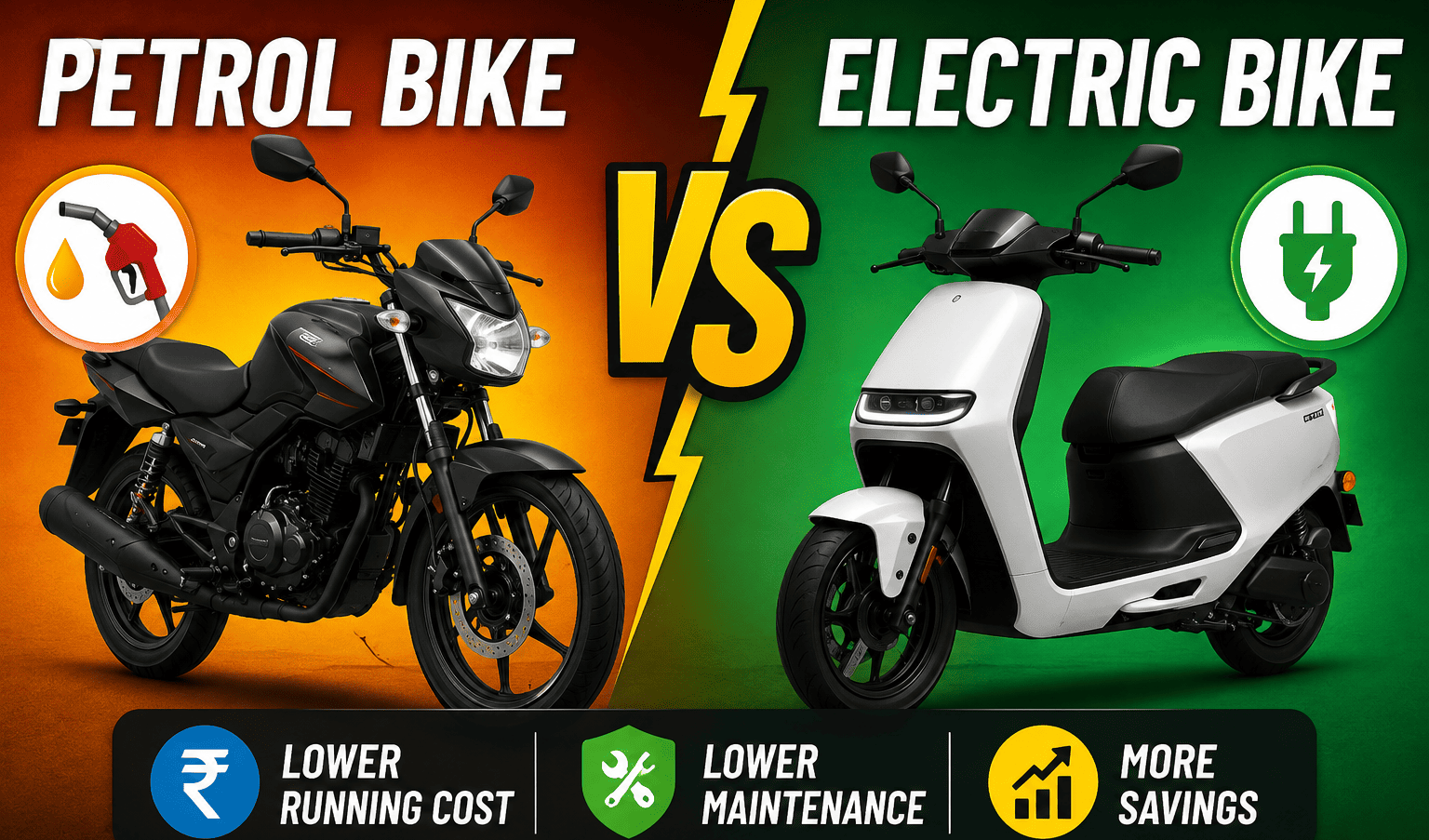
    Buying an electric scooter or electric bike in India is no longer just about range numbers. If you want a long-life, practical and reliable EV, you must understand three critical things: Build Quality, Motor Technology and Battery Chemistry. In this detailed guide, we clearly explain popular Indian EV brands like Ola Electric, Ather Energy, TVS iQube, Bajaj Chetak, Hero Vida, River Indie, Simple One, Ampere, Revolt and Oben — in a way that actually helps buyers. 1. Build Quality – Ranked from Best to Most Practical Build quality decides how long your EV will survive Indian roads, weather, load and daily abuse. Even the best motor and battery cannot compensate for weak structural quality. 1. Bajaj Chetak – Best Overall Build Quality Bajaj Chetak stands out with its full metal body. The scooter feels heavy, solid and extremely stable. It is designed for long-term ownership rather than flashy features. Good: Metal body, strong chassis, premium durability Bad: Slightly heavier than plastic scooters 2. Ather Energy (450X / Rizta) Ather offers one of the best engineered scooters in India. The build quality is premium with excellent fit and finish, even though it uses high-grade plastics. Good: Premium quality, strong frame, refined ride Bad: No metal body 3. TVS iQube / TVS Orbiter TVS focuses on practicality and reliability. The build is simple but durable, ideal for families and daily commuting. Good: Balanced, reliable, trusted brand Bad: Design not very exciting 4. River Indie River Indie is built specifically for Indian conditions. It feels rugged, slightly bulky, but extremely practical for bad roads and load carrying. Good: Rugged design, water-dust protection Bad: Bulky size for tight city parking 5. Simple One Simple One offers a premium and sporty design with advanced features. However, long-term durability is still being proven in real-world conditions. Good: Premium look, modern features Bad: New brand, long-term reliability yet to be proven 6. Ola Electric Scooters Ola scooters are tech-loaded and futuristic. The design is attractive, but build quality relies heavily on plastics. Good: Stylish, high-tech dashboard Bad: Plastic-heavy construction 7. Hero Vida Hero Vida is practical and user-friendly, especially because of its removable battery. Build quality is decent but not premium. Good: Practical design, removable battery Bad: Average structural feel 8. Ampere Electric Scooters Ampere scooters are built for budget buyers. The construction is lightweight and basic. Good: Affordable, simple Bad: Lower durability for long-term use Electric Bikes – Revolt & Oben Electric bikes naturally have stronger frames than scooters. Oben focuses on performance and sporty build, while Revolt is more commuter-oriented. 2. Motor Technology Motor technology decides performance, smoothness, efficiency and long-term reliability. In India, EVs mainly use BLDC and PMSM motors. BLDC Motor – Simple & Reliable BLDC motors are cost-effective, low-maintenance and ideal for city riding. Brands using BLDC: Bajaj Chetak, TVS iQube, Ampere Best for: Daily office commute, family users Downside: Lower efficiency compared to PMSM PMSM Motor – Best Overall Choice PMSM motors are more efficient, smoother and generate less heat. They help improve real-world range and motor life. Brands using PMSM: Ather Energy, Hero Vida (higher variants), River Indie, Simple One Best for: Long-term ownership, smooth performance Downside: Slightly higher cost High-Performance Motors Some brands focus on power and acceleration rather than efficiency. Ola Electric: Performance-focused high-power motors Oben: Sporty electric bike motor Revolt: Balanced commuter bike motor 3. Battery Technology – NMC vs LFP Explained Clearly Battery chemistry decides range, safety and long-term degradation. Indian EVs mainly use NMC batteries, while LFP is emerging as a long-life option. NMC Battery – Higher Energy Density NMC batteries offer better range in lighter weight but require good thermal management. Used by: Ola Electric, Ather, TVS iQube, Bajaj Chetak, Hero Vida, Simple One, Revolt, Oben Pros: Better range, compact size Cons: Faster degradation if charging habits are poor LFP Battery – Long Life & Safety Focused LFP batteries offer more charge cycles, better thermal safety and longer lifespan. They are slightly heavier but ideal for long-term ownership. Used / Moving towards: River Indie and future EV models Pros: Safer, longer battery life Cons: Lower energy density If your priority is long life and practicality, focus on: Best Build Quality: Bajaj Chetak, Ather, TVS iQube Best Motor Technology: PMSM Best Battery Life: LFP & high-quality NMC packs Do not choose an electric scooter only by advertised range. A well-built EV with an efficient motor and safe battery will save money and stress in the long run. Author’s Note This guide is written for Indian buyers who want honest, real-world EV advice — not marketing claims. Why Electric Scooters Are Better Than Petrol Scooters in India Electric vs Petrol – Real World Comparison for Indian Riders For decades, petrol scooters dominated Indian roads because there was no alternative. Today, electric scooters are no longer experimental products. They have evolved into practical, reliable and cost-effective mobility solutions. Let us clearly understand why electric scooters are better than petrol scooters, especially for Indian road conditions, traffic and daily usage. 1. Running Cost – Biggest Advantage of Electric Scooters The most obvious and important advantage of electric scooters is their extremely low running cost. A petrol scooter typically costs ₹2.5–₹3.5 per kilometer depending on fuel prices. In comparison, an electric scooter costs roughly ₹0.25–₹0.40 per kilometer when charged at home. That means your monthly commuting expense drops drastically. Petrol scooter (1,000 km/month): ₹3,000+ fuel cost Electric scooter (1,000 km/month): ₹300–₹400 electricity cost Over 3–4 years, this difference alone can recover the higher initial price of an EV. 2. Maintenance – No Engine, No Headache A petrol scooter has many moving parts: engine oil, filters, clutch, belt, spark plug, exhaust system and gearbox components. All these parts wear out and require periodic servicing. An electric scooter has very few moving parts. There is no engine oil, no clutch, no gearbox and no exhaust. No oil change No engine overheating issues No vibration-related wear Lower service frequency This makes electric scooters ideal for users who want hassle-free ownership. 3. Smooth & Silent Riding Experience Electric scooters deliver instant torque. There is no lag, no gear shifting and no engine noise. This makes riding in city traffic extremely smooth. In contrast, petrol scooters feel noisy, vibratory and less refined, especially during stop-and-go traffic. For daily office commuters and family users, this silent and vibration-free ride significantly reduces fatigue. 4. Environment & Heat Management in Cities Indian cities already suffer from pollution and heat. Petrol scooters contribute directly to: Air pollution Noise pollution Urban heat buildup Electric scooters produce zero tailpipe emissions and significantly less heat. While electricity generation may not be 100% green, EVs still reduce overall urban pollution levels. This is especially important in densely populated Indian cities. 5. Home Charging Convenience One of the biggest mindset shifts is charging. Electric scooters can be charged at home overnight, just like a mobile phone. This removes the daily dependency on fuel stations. You start every morning with a “full tank”. Petrol scooters, on the other hand, require regular refueling trips, which becomes inconvenient over time. 6. Government Support & Future Readiness The Indian government is actively promoting electric mobility. EVs receive: Lower road tax or exemptions Registration benefits Policy support for charging infrastructure At the same time, petrol vehicles will face stricter emission norms and higher compliance costs in the future. Buying an electric scooter today is also a future-proof decision. 7. Ideal for Indian Usage Pattern Most Indian scooter users ride: 30–50 km per day Mainly inside cities At moderate speeds This usage pattern perfectly matches the strengths of electric scooters. You do not need extreme top speed or highway range for daily commuting. For this reason, electric scooters are not just alternatives — they are actually better suited for Indian conditions. 8. Are Petrol Scooters Still Relevant? Petrol scooters still make sense for: Very long-distance rural usage Areas with no charging access Users who frequently ride 150+ km in a day However, for urban and semi-urban India, electric scooters clearly offer more advantages than disadvantages. Final Conclusion – Electric Scooters Are the Smarter Choice Electric scooters are not perfect, but they are evolving rapidly. Better batteries, stronger build quality and improved motors are making EVs more reliable every year. If your goal is: Low running cost Low maintenance Silent & smooth ride Future-ready mobility Then an electric scooter is clearly a better choice than a petrol scooter in India today.

    January 2026 Electric Car Sales in India : Vinfast Performing Well, Tata Dominate EV Segment

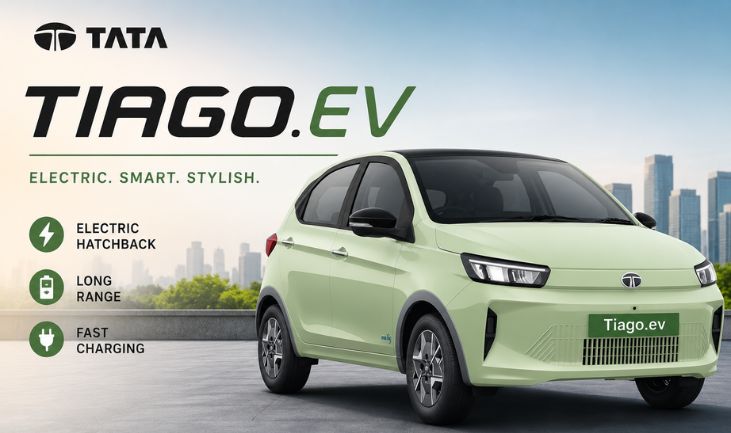
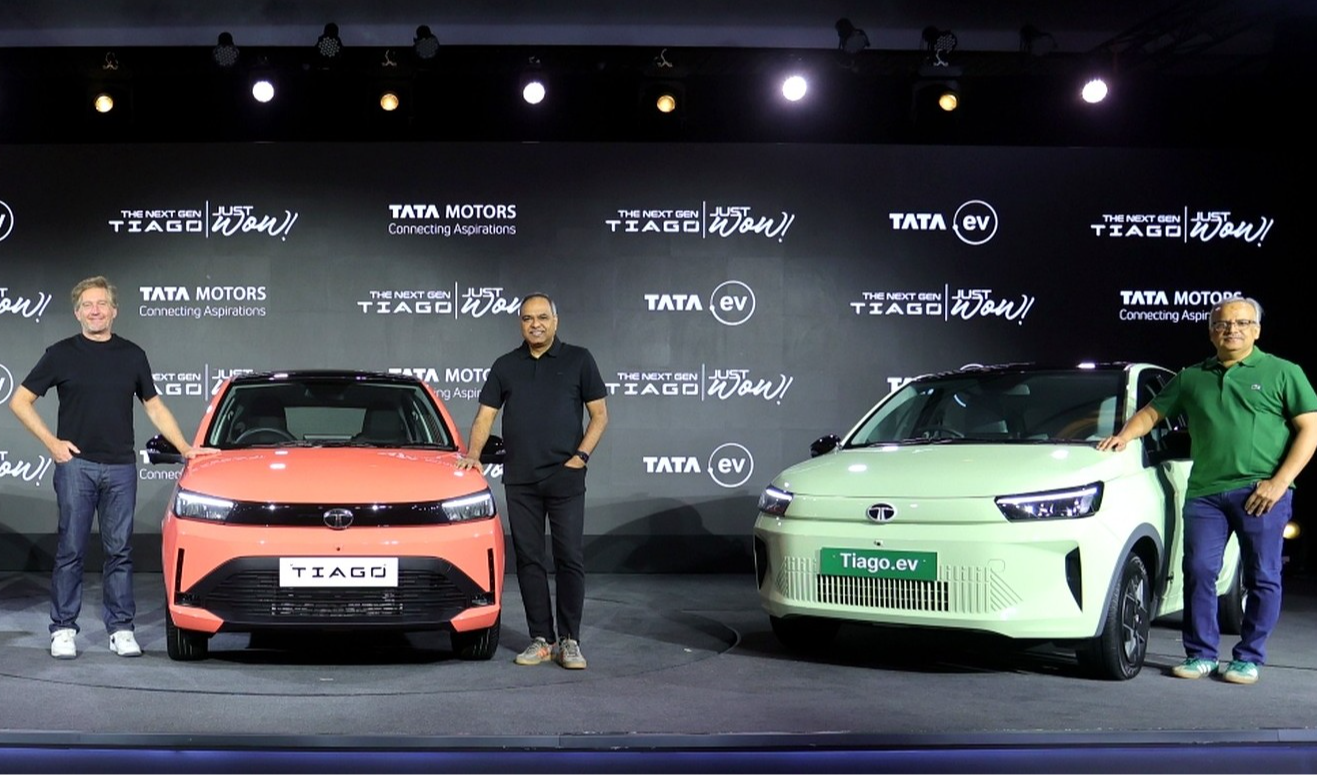
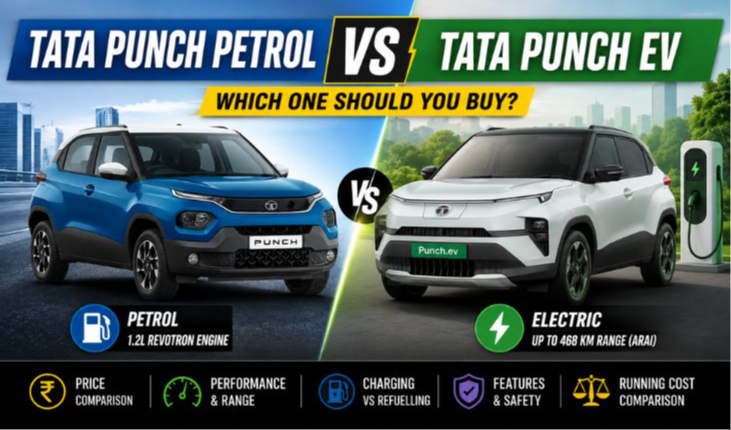
    EV Passenger Vehicle Market Continues Steady Growth India’s electric car market continued its upward momentum in January 2026. Total electric passenger vehicle sales reached 16,719 units, compared to 15,269 units in December 2025, registering a month-on-month growth of 9.5%. While the growth rate is lower than the two-wheeler EV segment, electric cars are clearly moving beyond early adoption and entering a phase of gradual mass acceptance. Overall EV Car Market Snapshot – January 2026 Total Sales (Jan 2026): 16,719 units Total Sales (Dec 2025): 15,269 units MoM Growth: +9.5% Market Leader: Tata Motors 1. Tata Motors – Dominating India’s EV Car Market December 2025: 6,526 units January 2026: 7,075 units MoM Growth: +8.41% Market Share: 42.30% Tata Motors continues to dominate India’s electric car segment with over 42% market share. Its success is driven by a wide EV portfolio, competitive pricing, and strong charging ecosystem support. 2. JSW MG Motor – Strong Second Position December 2025: 3,719 units January 2026: 4,374 units MoM Growth: +17.61% Market Share: 26.16% MG Motor recorded one of the highest growth rates in January 2026. The brand continues to attract tech-focused EV buyers looking for premium features. 3. Mahindra & Mahindra – Expanding EV Presence December 2025: 3,055 units January 2026: 3,415 units MoM Growth: +11.78% Market Share: 20.43% Mahindra remains a strong player in the electric SUV space, benefiting from its SUV-focused strategy and brand trust in India. 4. VinFast – Entry-Level Growth Phase December 2025: 384 units January 2026: 416 units MoM Growth: +8.33% Market Share: 2.49% VinFast continues its gradual expansion, focusing on brand awareness and dealership growth. 5. BMW India – Premium EV Slowdown December 2025: 356 units January 2026: 299 units MoM Growth: –16.01% Market Share: 1.79% BMW witnessed a decline in January, indicating fluctuating demand in the luxury EV segment. 6. Kia India – Marginal Dip December 2025: 311 units January 2026: 255 units MoM Growth: –18.01% Market Share: 1.53% Kia’s EV volumes dipped slightly, reflecting limited product availability in the electric segment. 7. Hyundai Motor – Positive Momentum December 2025: 272 units January 2026: 315 units MoM Growth: +15.81% Market Share: 1.88% Hyundai showed encouraging growth, suggesting increasing acceptance of its electric offerings. 8. BYD India – Stable Performance December 2025: 236 units January 2026: 199 units MoM Growth: –15.68% Market Share: 1.19% BYD continues to cater to a niche audience focused on long-range electric cars. 9. Mercedes-Benz – Luxury EV Niche December 2025: 71 units January 2026: 66 units MoM Growth: –7.04% Market Share: 0.39% 10. Tesla – Limited Volumes December 2025: 69 units January 2026: 37 units MoM Growth: –46.38% Market Share: 0.22% Tesla sales remain limited due to restricted availability and premium pricing Why Electric Cars Are Gaining Attention in 2026 The growing interest in electric cars is driven by a combination of economic, environmental, and technological factors. Petrol and diesel prices remain volatile, making EVs attractive due to their significantly lower running costs. At the same time, battery technology has improved, offering better range and reliability than earlier generations. Government incentives, reduced road tax in many states, and expanding charging infrastructure have also contributed to growing confidence among buyers. For many urban consumers, electric cars are now viewed as practical daily commuters rather than experimental alternatives. Brand-Wise Electric Car Market Performance The Indian electric car market is currently dominated by a few key players, with others gradually finding their footing. January 2026 sales numbers reveal how different brands are performing and where buyer trust is strongest. Tata Motors: The EV Market Leader Tata Motors continues to command the electric car segment with a dominant market share. Models like the Nexon EV and Tiago EV have proven that electric cars can be reliable, affordable, and practical for Indian conditions. Tata’s local manufacturing advantage and extensive service network have helped the brand build trust faster than its competitors. MG Motor: Urban-Focused EV Strategy MG Motor has positioned itself as a modern, tech-driven EV brand. The Comet EV, in particular, has found favor among city users who prioritize compact size and ease of driving. MG’s steady growth indicates that urban India is warming up to electric mobility. Mahindra & Mahindra: Preparing for the Next EV Wave Mahindra’s electric journey is still evolving. While current sales are moderate, upcoming born-electric platforms signal a more aggressive future strategy. Mahindra’s brand trust in SUVs could play a major role once its next-generation EVs hit the market. Premium Brands and Their Challenges Luxury brands like BMW, Mercedes-Benz, and Tesla continue to struggle with volumes. High prices, limited charging infrastructure, and a niche customer base restrict growth. However, these brands play an important role in showcasing advanced EV technology and performance benchmarks. Cost of Ownership: Electric vs Petrol Cars One of the biggest advantages of electric cars is their low running cost. Charging an EV costs significantly less than refueling a petrol or diesel car. Additionally, electric cars have fewer moving parts, which reduces maintenance expenses. However, the initial purchase price of electric cars is still higher than comparable petrol vehicles. While subsidies help bridge the gap, battery costs remain a key factor. Over long-term ownership, EVs often become more economical, especially for high-usage city drivers. Charging Infrastructure: Reality on Indian Roads Charging infrastructure has improved in major cities and highways, but it remains uneven across the country. Home charging is still the most reliable solution for EV owners. For apartment dwellers and frequent highway travelers, charging access can still be a concern. Fast-charging networks are expanding, but charging time remains longer than refueling an ICE car. This is one area where electric cars still lag behind conventional vehicles. Is 2026 the Right Time to Buy an Electric Car? The answer depends largely on your usage pattern. Electric cars are ideal for daily city driving, short commutes, and predictable travel routines. If your driving is mostly within 100–300 km per day, an EV can be a smart and economical choice. However, if you frequently travel long distances, rely heavily on highway infrastructure, or live in regions with limited charging support, waiting another couple of years may be a better decision. Future of Electric Cars in India The future of electric cars in India looks strong. Battery prices are expected to decline, ranges will improve, and charging infrastructure will continue to expand. More affordable EV models are likely to enter the market, making electric mobility accessible to a wider audience. Government policies and global emission commitments also indicate that electric vehicles will play a central role in India’s automotive future. While ICE vehicles will not disappear overnight, electric cars are clearly moving from early adoption to mass acceptance. Final Verdict: Is 2026 the Right Time to Buy an Electric Car? January 2026 sales data clearly shows that electric cars in India are gaining steady traction. For city users, daily commuters, and environmentally conscious buyers, EVs make strong financial sense. However, buyers should carefully evaluate charging access, driving range, and long-term ownership costs. With improving infrastructure and upcoming models, electric cars are moving closer to mainstream adoption. 2026 may not be the peak, but it is certainly a smart entry point into India’s electric car revolution.

    January 2026 EV 2 Wheeler Sales : TVS Lead, Ola Electric in Struggle

    Strong 19% MoM Growth Signals Rapid EV Adoption India’s electric two-wheeler market started 2026 on a strong note. According to the latest sales data, total electric two-wheeler sales in January 2026 stood at 1,16,849 units, compared to 97,989 units in December 2025, registering a solid month-on-month (MoM) growth of 19%. This sharp rise reflects growing consumer confidence in electric mobility, improved charging infrastructure, and a wider range of electric scooters and motorcycles across price segments. Overall Market Snapshot – January 2026 Total Sales (Jan 2026): 1,16,849 units Total Sales (Dec 2025): 97,989 units MoM Growth: +19% Market Trend: Strong recovery after year-end slowdown 1. TVS Motor Company – Market Leader December 2025: 25,214 units January 2026: 33,296 units MoM Growth: +32.05% Market Share: 28.49% TVS Motor Company emerged as the largest electric two-wheeler manufacturer in January 2026. With over 33,000 units sold, TVS alone accounted for nearly one-third of India’s total EV two-wheeler sales. Its leadership is driven by strong brand trust, consistent product quality, and a vast dealership and service network. 2. Bajaj Auto – Strong Growth Momentum December 2025: 18,943 units January 2026: 24,211 units MoM Growth: +27.81% Market Share: 20.72% Bajaj Auto recorded an impressive growth rate, firmly securing the second position in the EV two-wheeler market. The brand continues to attract buyers looking for durability, premium feel, and strong resale value. 3. Ather Energy – Premium EV Specialist December 2025: 17,204 units January 2026: 20,786 units MoM Growth: +20.82% Market Share: 17.79% Ather Energy maintained its position as India’s leading premium electric scooter brand. The company crossed the 20,000-unit mark, reflecting sustained demand for high-performance EVs with smart features. 4. Hero MotoCorp – Stable and Consistent Growth December 2025: 10,763 units January 2026: 12,608 units MoM Growth: +17.14% Market Share: 10.79% Hero MotoCorp benefits from deep penetration in semi-urban and rural markets. 5. Ola Electric – Temporary Market Correction December 2025: 9,027 units January 2026: 7,221 units MoM Growth: –20.01% Market Share: 6.18% Ola Electric was the only major brand to witness a sharp decline in January. This drop may be attributed to inventory adjustments and increasing competition. 6. Greaves Electric Mobility – Gradual Improvement December 2025: 4,755 units January 2026: 5,161 units MoM Growth: +8.54% Market Share: 4.42% Greaves Electric Mobility recorded moderate growth, indicating stable demand in the value-focused EV segment. 7. BGauss Auto – Niche Market Growth December 2025: 2,189 units January 2026: 2,259 units MoM Growth: +3.20% Market Share: 1.93% BGauss Auto continues to grow steadily, targeting urban buyers looking for affordable electric scooters. 8. River Mobility – Fastest Growing Brand December 2025: 1,819 units January 2026: 2,487 units MoM Growth: +36.72% Market Share: 2.13% River Mobility recorded the highest MoM growth among all manufacturers, highlighting rising interest in new-age EV brands. 9. Pure EV – Slight Decline December 2025: 665 units January 2026: 631 units MoM Growth: –5.11% Market Share: 0.54% Pure EV experienced a marginal decline, reflecting intense competition in the budget electric scooter segment. 10. Revolt – Positive Recovery Signs December 2025: 525 units January 2026: 629 units MoM Growth: +19.81% Market Share: 0.54% Revolt showed encouraging recovery, indicating growing interest in electric motorcycles in India. Should You Buy an Electric Two-Wheeler in 2026? Based on January 2026 sales data and overall market trends, the answer is YES — for most urban and semi-urban users. Electric two-wheelers are no longer an experimental choice; they have become a practical and financially sensible option. Why 2026 Is a Good Time to Buy an Electric Two-Wheeler Strong Market Growth: A 19% MoM growth shows rising consumer trust in EV technology. Lower Running Cost: Electricity cost per km is significantly cheaper than petrol. Improved Product Quality: Established brands now offer better batteries, software stability, and safety. Wide Brand Choice: Buyers can choose from budget, mid-range, and premium electric models. Urban-Friendly: Ideal for daily commuting, short trips, and traffic-heavy cities. When You Should Think Twice If your daily running is very low and petrol cost is not a concern If charging access at home or work is not available If you frequently travel long highway distances Final Verdict In 2026, electric two-wheelers make complete sense for city commuters, office-goers, and delivery users. With improving infrastructure, better resale confidence, and increasing fuel prices, EVs offer long-term value. However, choosing the right brand, battery warranty, and service network is crucial. Buyers should focus on reliability and after-sales support rather than just price. Overall, the January 2026 sales numbers clearly indicate that electric two-wheelers are no longer the future — they are the present of Indian mobility. Conclusion January 2026 confirms that India’s electric two-wheeler market is entering a more mature and competitive phase. With strong MoM growth of 19%, EVs are rapidly becoming a mainstream mobility choice. Market leaders continue to consolidate their positions, while emerging players prove that innovation and differentiation can still drive growth in 2026.

    Luxury Cars Pricing in India after Ind-Eu Free Trade Agreement

    The proposed India–European Union Free Trade Agreement (FTA) may reduce import duties on Completely Built Unit (CBU) vehicles from the current ~110% to 40%, and potentially to 10% over time. This single policy change could dramatically reshape India’s luxury and performance car market. Lamborghini (Italy) Lamborghini Urus SE (Plug-in Hybrid SUV) The Urus SE combines supercar DNA with everyday SUV practicality. It uses a powerful V8 engine paired with an electric motor, making it the most advanced Urus yet. Engine: 4.0L V8 Twin-Turbo + Electric Motor Power: ~800 PS Top Speed: ~305 km/h Mileage: ~8–9 km/l Key Features: Air suspension, carbon-ceramic brakes, AWD, advanced hybrid system Expected Price: 110% Duty: ₹4.6 – 4.8 Cr 40% Duty: ₹3.2 – 3.4 Cr 10% Duty: ₹2.7 – 2.9 Cr Lamborghini Revuelto (Flagship V12 Hybrid) Revuelto is Lamborghini’s most powerful production car ever, blending a naturally aspirated V12 with electric motors for extreme performance. Engine: 6.5L V12 Plug-in Hybrid Power: ~1,015 PS 0-100 km/h: ~2.5 sec Top Speed: 350+ km/h 110%: ₹8.8 – 9.0 Cr 40%: ₹6.2 – 6.4 Cr 10%: ₹5.4 – 5.6 Cr Lamborghini Temerario (Huracán Successor) Expected to replace the Huracán, Temerario will introduce a high-revving turbo-hybrid V8, focusing on both performance and efficiency. Power: ~900 PS (expected) Top Speed: ~340 km/h 110%: ₹6.5 – 6.8 Cr 40%: ₹4.6 – 4.8 Cr 10%: ₹3.9 – 4.1 Cr Ferrari (Italy) Ferrari 296 GTB / GTS A compact mid-engine Ferrari that proves V6 engines can deliver V12-level excitement, enhanced by hybrid technology. Engine: 3.0L V6 Plug-in Hybrid Power: ~830 PS Top Speed: ~330 km/h 110%: ₹5.6 – 5.8 Cr 40%: ₹4.0 – 4.2 Cr 10%: ₹3.4 – 3.6 Cr Ferrari SF90 Stradale Ferrari’s most technologically advanced road car, blending electrification with supercar aggression. Power: ~1,000 PS 0-100 km/h: ~2.5 sec 110%: ₹7.8 – 8.0 Cr 40%: ₹5.5 – 5.7 Cr 10%: ₹4.7 – 4.9 Cr Ferrari Purosangue (SUV) Ferrari’s first SUV stays true to the brand with a naturally aspirated V12 and rear-biased AWD. Engine: 6.5L V12 Power: ~725 PS 110%: ₹7.2 – 7.4 Cr 40%: ₹5.1 – 5.3 Cr 10%: ₹4.4 – 4.6 Cr Ferrari Roma A luxury grand tourer focused on elegance, comfort, and long-distance performance. Engine: 3.9L V8 Twin-Turbo Power: ~620 PS 110%: ₹4.1 – 4.3 Cr 40%: ₹3.0 – 3.2 Cr 10%: ₹2.6 – 2.8 Cr Porsche (Germany) Porsche 911 (All Variants) An icon that balances everyday usability with racetrack-level performance. Engine: Flat-6 Turbo Power: 385 – 650+ PS Top Speed: Up to 330 km/h 110%: ₹3.2 – 4.8 Cr 40%: ₹2.3 – 3.4 Cr 10%: ₹2.0 – 2.6 Cr Porsche Panamera A luxury sports sedan offering both performance and rear-seat comfort. 110%: ₹2.7 – 3.0 Cr 40%: ₹1.9 – 2.1 Cr 10%: ₹1.6 – 1.8 Cr Porsche Cayenne A performance-oriented luxury SUV with excellent handling. 110%: ₹2.1 – 2.4 Cr 40%: ₹1.6 – 1.8 Cr 10%: ₹1.3 – 1.5 Cr Porsche Taycan (EV) One of the fastest electric cars in the world with Porsche driving dynamics. Range: 450 – 500 km Power: 625+ PS 110%: ₹2.3 – 2.5 Cr 40%: ₹1.7 – 1.9 Cr 10%: ₹1.5 – 1.6 Cr Bentley & Rolls-Royce Bentley Bentayga Ultra-luxury SUV combining handcrafted interiors with powerful engines. 110%: ₹5.8 – 6.0 Cr 40%: ₹4.1 – 4.3 Cr 10%: ₹3.6 – 3.8 Cr Rolls-Royce Cullinan The pinnacle of luxury SUVs, focused on comfort rather than speed. 110%: ₹9.5 – 10.0 Cr 40%: ₹6.7 – 7.0 Cr 10%: ₹5.8 – 6.2 Cr BMW M, Mercedes-AMG & Audi RS BMW M5 Power: ~625 PS 110%: ₹2.6 – 2.8 Cr 40%: ₹1.9 – 2.1 Cr 10%: ₹1.6 – 1.8 Cr Mercedes-AMG G63 Engine: 4.0L V8 Biturbo 110%: ₹3.5 – 3.7 Cr 40%: ₹2.5 – 2.7 Cr 10%: ₹2.1 – 2.3 Cr Audi RS Q8 Power: ~600 PS 110%: ₹2.6 – 2.8 Cr 40%: ₹1.9 – 2.1 Cr 10%: ₹1.6 – 1.8 Cr Maserati (Italy) Maserati MC20 The MC20 marks Maserati’s return to true supercar territory. Lightweight carbon-fiber construction and a powerful twin-turbo V6 make it a purist’s machine. Engine: 3.0L Twin-Turbo V6 Power: ~630 PS Top Speed: ~325 km/h Mileage: ~7–8 km/l Key Features: Carbon monocoque, butterfly doors, race-focused dynamics 110% Duty: ₹4.2 – 4.4 Cr 40% Duty: ₹3.0 – 3.2 Cr 10% Duty: ₹2.6 – 2.8 Cr Maserati Grecale The Grecale is Maserati’s entry luxury SUV, balancing Italian design with daily usability. Engine: 2.0L Turbo / 3.0L V6 Power: 300 – 530 PS Top Speed: ~285 km/h 110%: ₹1.6 – 1.9 Cr 40%: ₹1.2 – 1.4 Cr 10%: ₹1.0 – 1.1 Cr Maserati GranTurismo A classic grand tourer designed for long-distance comfort with a powerful V6 engine. Engine: 3.0L Twin-Turbo V6 Power: ~550 PS Top Speed: ~320 km/h 110%: ₹3.5 – 3.7 Cr 40%: ₹2.6 – 2.8 Cr 10%: ₹2.2 – 2.4 Cr BMW Performance & Flagship Imports BMW M2 The M2 is BMW’s most engaging driver-focused M car, offering massive power in a compact body. Engine: 3.0L Inline-6 Twin-Turbo Power: ~460 PS Top Speed: ~285 km/h 110%: ₹1.4 – 1.5 Cr 40%: ₹1.1 – 1.2 Cr 10%: ₹95 L – 1.0 Cr BMW M4 Competition A track-ready coupe with everyday usability and brutal acceleration. Power: ~510 PS 0–100 km/h: ~3.9 sec 110%: ₹1.9 – 2.1 Cr 40%: ₹1.4 – 1.5 Cr 10%: ₹1.2 – 1.3 Cr BMW M8 Coupe Luxury meets performance with a V8 engine and ultra-premium interiors. Engine: 4.4L V8 Twin-Turbo Power: ~625 PS 110%: ₹3.0 – 3.2 Cr 40%: ₹2.2 – 2.4 Cr 10%: ₹1.9 – 2.0 Cr BMW Z4 A stylish roadster built for open-top driving pleasure. Engine: 3.0L Turbo Petrol Power: ~340 PS 110%: ₹1.1 – 1.2 Cr 40%: ₹85 – 95 L 10%: ₹75 – 80 L BMW XM BMW’s most powerful production car ever, combining luxury SUV presence with hybrid power. Engine: 4.4L V8 Plug-in Hybrid Power: ~653 PS 110%: ₹3.6 – 3.8 Cr 40%: ₹2.6 – 2.8 Cr 10%: ₹2.2 – 2.4 Cr Mercedes-AMG (Germany) Mercedes-AMG SL55 A luxury roadster with strong AMG performance and everyday usability. Engine: 4.0L V8 Biturbo Power: ~470 PS 110%: ₹2.8 – 3.0 Cr 40%: ₹2.0 – 2.2 Cr 10%: ₹1.7 – 1.9 Cr Mercedes-AMG GT 63 S E-Performance One of the fastest luxury sedans in the world, combining V8 power with hybrid tech. Power: ~843 PS 0–100 km/h: ~2.9 sec 110%: ₹3.8 – 4.0 Cr 40%: ₹2.7 – 2.9 Cr 10%: ₹2.3 – 2.5 Cr Mercedes-AMG CLE 53 A sporty coupe replacing older C-Class performance models. Power: ~450 PS 110%: ₹1.9 – 2.1 Cr 40%: ₹1.4 – 1.5 Cr 10%: ₹1.2 – 1.3 Cr Audi RS Performance Models Audi RS6 Avant A supercar disguised as a family wagon with massive V8 power. Engine: 4.0L V8 Twin-Turbo Power: ~600 PS 110%: ₹2.9 – 3.1 Cr 40%: ₹2.1 – 2.3 Cr 10%: ₹1.8 – 2.0 Cr Audi RS5 Sportback A perfect blend of practicality and performance. Power: ~450 PS 110%: ₹1.8 – 2.0 Cr 40%: ₹1.3 – 1.4 Cr 10%: ₹1.1 – 1.2 Cr Volkswagen & Škoda Performance Imports Volkswagen Golf GTI / Golf R Iconic hot hatchbacks loved globally for sharp handling and strong engines. Power: 245 – 320 PS Top Speed: ~250 km/h 110%: ₹55 – 60 L 40%: ₹40 – 45 L 10%: ₹34 – 38 L Škoda Octavia RS A sporty sedan offering excellent performance with everyday practicality. Power: ~245 PS 110%: ₹55 – 58 L 40%: ₹40 – 42 L 10%: ₹34 – 36 L Škoda Kodiaq RS A performance-oriented family SUV with sporty tuning. 110%: ₹65 – 70 L 40%: ₹50 – 55 L 10%: ₹42 – 45 L Land Rover Defender (CBU Trims) The Defender blends hardcore off-road capability with modern luxury. Engine Options: 2.0L Petrol, 3.0L Diesel, 5.0L V8 Top Speed: Up to 240 km/h 110%: ₹1.8 – 2.3 Cr 40%: ₹1.4 – 1.7 Cr 10%: ₹1.2 – 1.4 Cr Final Thoughts If the India–EU FTA moves forward, luxury cars could finally be priced closer to global markets. Even a reduction to 40% duty would create the biggest correction India’s premium car segment has ever seen. This policy could turn aspiration into reality for thousands of Indian car enthusiasts.

    0 103 0

    Why Compact SUVs Are Replacing Sedans in India

    The Indian car market is undergoing one of its biggest transformations in decades. Once dominated by sedans, today the spotlight is firmly on compact SUVs. Cars that were once considered “premium alternatives” have now become the default choice for Indian buyers. This shift is not accidental, nor is it driven by just one factor. It is the result of changing road infrastructure, evolving buyer mindset, improved SUV efficiency, and strategic decisions by car manufacturers. To truly understand why compact SUVs are replacing sedans in India, we need to look beyond surface-level reasons and analyze real-world ownership, psychology, and long-term practicality. 1. Indian Road Reality Favors SUVs, Not Sedans Indian roads are a mixed reality. While highways in metro cities have improved, the moment you exit city limits, conditions change drastically. Broken patches, uneven tarmac, unscientific speed breakers, waterlogging during monsoons, and poorly designed entry ramps are common across the country. Sedans are designed for smoother roads. Their low ground clearance and long wheelbase make them vulnerable to underbody hits. Even careful drivers often experience scraping, especially with a fully loaded car. Compact SUVs, with their higher ground clearance and tougher suspension setup, absorb these challenges better. For buyers, this translates into peace of mind — less worrying about every pothole or speed breaker. This single factor alone has pushed many Indian buyers away from sedans. 2. High Seating Position Is No Longer a Luxury, It’s a Preference The psychological comfort of sitting higher cannot be ignored. Compact SUVs offer an upright seating position that gives drivers a clearer view of traffic, pedestrians, and road obstacles. In Indian traffic conditions — where lane discipline is unpredictable — visibility becomes a safety advantage. New drivers, elderly drivers, and even experienced city commuters prefer this commanding view. Sedans provide better cornering dynamics, but for most Indian buyers, daily driving comfort matters more than handling precision. 3. One-Car Solution for Multiple Use Cases Indian households usually own one primary car. That car must handle: Daily office commute Weekend highway drives Village visits Family trips with luggage Sedans perform brilliantly on highways but feel limited on rough or broken roads. Compact SUVs, however, deliver acceptable comfort on highways while also being capable on bad roads. This versatility makes compact SUVs a better “one-car garage” solution — a crucial factor in a price-sensitive market like India. 4. Changing Buyer Psychology and Aspirations Earlier, sedans were seen as a symbol of success. Today, success is defined differently. Buyers want cars that reflect an active, adventurous lifestyle. Compact SUVs fit perfectly into this narrative. They look ready for road trips, outdoor activities, and weekend escapes. Even if the buyer never goes off-road, the image matters. Sedans, while elegant, are now perceived as more traditional or conservative — a perception that hurts their appeal among younger buyers. 5. Improved Fuel Efficiency Has Reduced Sedan Advantage Fuel efficiency was once the strongest weapon sedans had. Lower weight and better aerodynamics gave them a clear edge. Modern compact SUVs, however, use: Turbo-petrol engines Lightweight platforms Start-stop technology As a result, the mileage gap between sedans and compact SUVs has narrowed significantly. For many buyers, the difference is no longer big enough to influence the decision. 6. Safety Perception Plays a Big Role Even before crash test ratings became mainstream, Indian buyers associated bigger cars with better safety. Compact SUVs appear stronger due to: Taller stance Wider body Larger tyres With the introduction of features like six airbags, ESC, hill-hold assist, and ADAS in compact SUVs, this perception has strengthened further. Sedans may offer similar safety features, but perception often outweighs technical reality in buying decisions. 7. Cabin Space Feels More Usable in SUVs On paper, sedans may offer more legroom. In reality, compact SUVs feel airier due to: Higher roofline Better headroom Upright seating Indian families value comfort for rear-seat passengers, especially elders. Getting in and out of a sedan can be inconvenient due to low seat height. Compact SUVs solve this problem effortlessly. 8. Pricing Strategy Has Shifted the Market Manufacturers have aggressively priced compact SUVs to compete directly with sedans. In many cases: Top-end compact SUVs cost the same as mid-variant sedans SUVs offer more features at similar prices When buyers see more value for money, the decision becomes straightforward. Sedans now struggle to justify their pricing unless they offer exceptional performance or premium branding. 9. Brand Focus and Product Lifecycle Bias Car makers follow demand. Since SUVs sell more, companies: Launch new SUVs frequently Update SUVs faster Market SUVs aggressively Sedans, in contrast, receive fewer updates and limited promotional support. Over time, this reduces visibility and buyer interest. A product that feels neglected automatically loses market relevance. 10. Resale Value Favors Compact SUVs Resale value is a major consideration in India. Compact SUVs currently enjoy stronger resale demand compared to sedans. Higher resale value reduces long-term ownership cost, making SUVs a safer financial choice. Sedans, especially non-popular models, tend to depreciate faster. Will Sedans Make a Comeback? Sedans are not obsolete. They still offer: Superior ride comfort Better high-speed stability Lower road noise However, unless Indian road infrastructure improves significantly and buyer priorities shift again, sedans will remain a niche choice rather than a mainstream one. Final Conclusion Compact SUVs are replacing sedans in India because they align better with real-world conditions, modern aspirations, and practical ownership needs. This shift is not driven by hype alone — it is rooted in logic, usability, and perception. Compact SUVs offer a balanced package that fits the Indian lifestyle perfectly. For the foreseeable future, compact SUVs will continue to dominate Indian roads, while sedans evolve into a specialized segment for buyers who prioritize driving comfort above all else.

    Top 50 Upcoming Two-Wheelers in India 2026

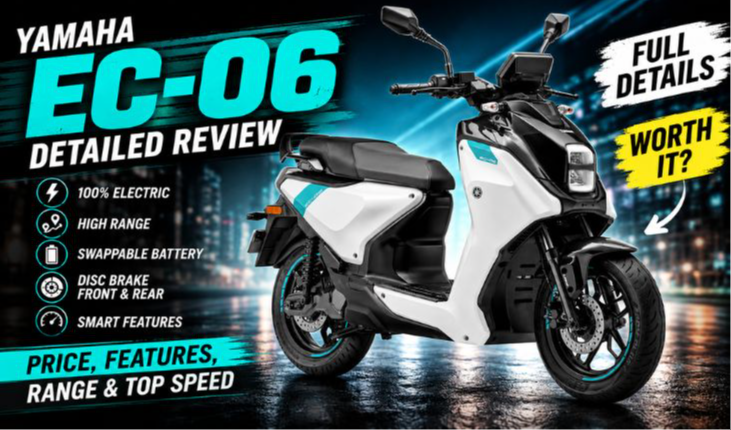
    The Indian two-wheeler market is on track for one of its most dynamic years in 2026. From high-performance bikes to practical urban scooters and realistic electric models, manufacturers are planning launches across all segments. This blog goes beyond the headlines: each upcoming vehicle listed below includes a short description, realistic expected ex-showroom price in India, performance specs (engine or motor, battery for EVs, tyre size), key features you should know, and an expected launch date window. 1. Royal Enfield Bullet 650 Description: A classic interpretation of the cruiser format, the Bullet 650 aims to combine Retro styling with usable mid-range torque and everyday comfort. Expected Price: ₹3.4 – ₹3.7 lakh Engine: 650cc parallel-twin engine (~47–50 HP, ~52 Nm) Tyre Size: 100/90-19 (F), 130/70-18 (R) Key Features: Dual channel ABS, LED lighting, updated ergonomics, classic styling Expected Launch: Q3–Q4 2026 2. Yamaha R2 Description: A new middleweight sportbike from Yamaha positioned below R3, focusing on sporty handling and accessible power for energetic riders. Expected Price: ₹2.2 – ₹2.5 lakh Engine: ~200–250cc liquid-cooled single (~28–32 HP) Tyre Size: 110/70-17 (F), 140/70-17 (R) Key Features: Full digital console, slipper clutch, trellis frame, LED lights Expected Launch: Q4 2026 3. Bajaj Pulsar 125 (New) Description: A refreshed version of the immensely popular Pulsar 125 with modern styling and feature upgrades to stay competitive in the commuter segment. Expected Price: ₹95,000 – ₹1.05 lakh Engine: 125cc air-cooled single (~11–12 HP) Tyre Size: 80/100-17 (F), 100/90-17 (R) Key Features: LED DRLs, digital console, disc brake option Expected Launch: Q1 2026 4. Bajaj Pulsar NS350 (New) Description: A new Pulsar family member positioned to bridge the gap between NS200 and large displacement bikes with more torque and aggressive styling. Expected Price: ₹1.9 – ₹2.1 lakh Engine: 350cc liquid-cooled single (~30–34 HP) Tyre Size: 100/80-17 (F), 130/70-17 (R) Key Features: Upside-down forks, mono-shock, slipper clutch Expected Launch: Q2 2026 5. BMW F450 GS Description: Entry-level adventure bike co-developed with TVS for India, offering a balanced mix of touring ability and manageable weight. Expected Price: ₹4.0 – ₹4.5 lakh Engine: ~450cc single with long-travel suspension (~43–48 HP) Tyre Size: 90/90-21 (F), 140/80-17 (R) Key Features: Ride modes, ABS, traction control, spoked wheels Expected Launch: Q3 2026 6. Honda Activa 7G Description: Next generation of India’s favourite scooter, expected with modern underpinnings, smart features and better emissions compliance. Expected Price: ₹68,000 – ₹78,000 Engine: 110–125cc single (~8–9 HP) Tyre Size: 90/90-12 (F & R) Key Features: LED headlamp, digital cluster, silent start Expected Launch: Q1 2026 7. Royal Enfield Flying Flea C6 (Electric) Description: A nostalgic EV scooter inspired by a historic Royal Enfield design, aimed at urban riders with premium branding. Expected Price: ₹2.0 – ₹2.3 lakh Motor: Electric motor ~5–7 kW Battery: ~3.5 – 4.5 kWh (real range ~100–120 km) Tyre Size: 90/90-12 (F & R) Key Features: LED cluster, connected features, premium finishes Expected Launch: Q2 2026 8. TVS Jupiter CNG Description: The first mass market scooter with a CNG compatible system to drastically reduce running costs. Expected Price: ₹85,000 – ₹95,000 Engine: 110–125cc single optimized for CNG (~7–8 HP) Tyre Size: 90/90-12 Key Features: Dual fuel support, digital cluster, eco mode Expected Launch: Q2 2026 9. TVS eFX 3O (Electric Motorcycle) Description: TVS’s first electric motorcycle concept with performance-oriented design and modern electronics. Expected Price: ₹1.8 – ₹2.3 lakh Motor: ~8–11 kW electric motor Battery: ~4.5 – 5.5 kWh (real range ~130–150 km) Tyre Size: 100/80-17 (F), 120/80-17 (R) Key Features: TFT display, ride modes, regenerative braking Expected Launch: Q3 2026 10. KTM RC 160 Description: A new entry level track-inspired sportbike geared for enthusiasts and performance-focused buyers. Expected Price: ₹1.55 – ₹1.75 lakh Engine: ~160cc single liquid-cooled (~19–21 HP) Tyre Size: 90/80-17 (F), 120/70-17 (R) Key Features: Full LCD console, aggressive riding posture, slipper clutch Expected Launch: Q2 2026 11. KTM RC 390 (Next-Gen) Description: The next-generation KTM RC 390 is expected to bring sharper aerodynamics, refined electronics, and improved ride quality while retaining its track-focused DNA. Expected Price: ₹3.3 – ₹3.6 lakh Engine: 373cc liquid-cooled single (~43 HP, ~37 Nm) Tyre Size: 110/70-17 (F), 150/60-17 (R) Key Features: TFT display, ride-by-wire, traction control, cornering ABS Expected Launch: Q1 2026 12. KTM 650 Duke Description: A high-performance naked streetfighter expected to sit above the 390 Duke, offering twin-cylinder power and premium hardware. Expected Price: ₹6.0 – ₹6.5 lakh Engine: 650cc parallel-twin (~75–80 HP) Tyre Size: 120/70-17 (F), 180/55-17 (R) Key Features: Ride modes, TFT display, quickshifter, Brembo brakes Expected Launch: Q4 2026 13. Royal Enfield Himalayan 750 Description: Built for serious touring and off-road exploration, the Himalayan 750 is expected to bring twin-cylinder power with long-travel suspension. Expected Price: ₹4.5 – ₹5.0 lakh Engine: 750cc parallel-twin (~55–60 HP) Tyre Size: 90/90-21 (F), 150/70-18 (R) Key Features: Switchable ABS, ride modes, spoked wheels, navigation Expected Launch: Q3 2026 14. Royal Enfield Continental GT 750 Description: A café racer designed for enthusiasts who want classic styling paired with modern performance. Expected Price: ₹4.3 – ₹4.8 lakh Engine: 750cc twin-cylinder (~55 HP) Tyre Size: 100/90-18 (F), 150/70-18 (R) Key Features: Clip-on handlebars, dual disc brakes, LED lighting Expected Launch: Q4 2026 15. Hero Karizma XMR 250 Description: The revival of an iconic nameplate, focusing on sporty design and practical daily usability. Expected Price: ₹1.9 – ₹2.1 lakh Engine: 250cc liquid-cooled single (~25–30 HP) Tyre Size: 100/80-17 (F), 140/70-17 (R) Key Features: Slipper clutch, digital console, LED projector headlamp Expected Launch: Q2 2026 16. Honda XL750 Transalp (E-Clutch) Description: A global adventure motorcycle expected to reach India with Honda’s E-Clutch technology for effortless riding. Expected Price: ₹10.5 – ₹11.5 lakh Engine: 755cc parallel-twin (~90 HP) Tyre Size: 90/90-21 (F), 150/70-18 (R) Key Features: E-Clutch, ride modes, traction control, cruise control Expected Launch: Q3 2026 17. Honda Hornet 750 (E-Clutch) Description: A naked streetfighter with aggressive styling and strong mid-range performance. Expected Price: ₹8.5 – ₹9.2 lakh Engine: 755cc twin-cylinder (~90 HP) Tyre Size: 120/70-17 (F), 160/60-17 (R) Key Features: TFT console, E-Clutch, ride modes, traction control Expected Launch: Q4 2026 18. Norton Atlas / 400cc ADV Description: Developed under TVS partnership, this adventure bike aims to mix British design with Indian practicality. Expected Price: ₹4.0 – ₹4.5 lakh Engine: ~400cc single (~40 HP) Tyre Size: 90/90-21 (F), 140/80-18 (R) Key Features: Long-travel suspension, switchable ABS, TFT display Expected Launch: Q2 2026 19. Triumph Trident 800 Description: A middleweight roadster positioned between Trident 660 and Street Triple. Expected Price: ₹9.0 – ₹9.8 lakh Engine: ~800cc inline-triple (~95–100 HP) Tyre Size: 120/70-17 (F), 180/55-17 (R) Key Features: Ride modes, traction control, quickshifter Expected Launch: Q3 2026 20. Suzuki 400cc Adventure (Expected) Description: Suzuki’s mid-capacity ADV expected to focus on touring comfort and reliability. Expected Price: ₹4.5 – ₹5.0 lakh Engine: ~400cc single (~40 HP) Tyre Size: 19-inch (F), 17-inch (R) Key Features: Windshield, long-travel suspension, dual-channel ABS Expected Launch: Q4 2026 21. CFMoto 450 MT Description: A capable adventure motorcycle designed for both road touring and light off-road use. Expected Price: ₹4.0 – ₹4.4 lakh Engine: 450cc twin-cylinder (~44 HP) Tyre Size: 21-inch (F), 18-inch (R) Key Features: Ride modes, traction control, spoked wheels Expected Launch: Q2 2026 22. Yamaha MT-07 (India Debut) Description: A globally popular naked bike known for torque-rich performance and everyday usability. Expected Price: ₹7.5 – ₹8.2 lakh Engine: 689cc parallel-twin (~74 HP) Tyre Size: 120/70-17 (F), 180/55-17 (R) Key Features: Ride-by-wire, traction control, TFT console Expected Launch: Q4 2026 23. Bajaj Pulsar RS500 (Expected) Description: The most powerful Pulsar ever, aimed at riders who want sportbike styling with touring-friendly performance. Expected Price: ₹3.8 – ₹4.2 lakh Engine: 500cc twin-cylinder (~48–50 HP) Tyre Size: 120/70-17 (F), 160/60-17 (R) Key Features: Full fairing, ride modes, traction control, TFT display Expected Launch: Q3 2026 24. Honda CBR500R (Expected) Description: A refined middleweight sportbike focusing on smooth power delivery and long-distance comfort. Expected Price: ₹5.8 – ₹6.3 lakh Engine: 471cc parallel-twin (~47 HP) Tyre Size: 120/70-17 (F), 160/60-17 (R) Key Features: Slipper clutch, dual-channel ABS, LED lighting Expected Launch: Q4 2026 25. Ultraviolette Tesseract Description: A high-performance electric motorcycle concept focusing on aerodynamics and advanced electronics. Expected Price: ₹2.5 – ₹3.0 lakh Motor: ~15 kW electric motor Battery: ~6.5 – 7.5 kWh (real range ~180 km) Tyre Size: 110/70-17 (F), 150/60-17 (R) Key Features: Fast charging, ride modes, connected tech Expected Launch: Q2 2026 26. Simple Energy Ultra Description: A long-range electric scooter designed for daily commuters with premium styling. Expected Price: ₹1.3 – ₹1.5 lakh Motor: ~6 kW Battery: ~4.5 – 5.0 kWh (range ~140–160 km) Tyre Size: 90/90-12 Key Features: Touchscreen display, navigation, fast charging Expected Launch: Q1 2026 27. Yamaha EC-06 (Electric Motorcycle) Description: Yamaha’s futuristic electric motorcycle concept focusing on urban performance. Expected Price: ₹2.0 – ₹2.4 lakh Motor: ~10 kW Battery: ~5.5 kWh (range ~150 km) Tyre Size: 120/70-17 (F), 160/60-17 (R) Key Features: Regenerative braking, TFT console Expected Launch: Q3 2026 28. Yamaha Aerox-E (Electric) Description: An electric version of the sporty Aerox scooter, designed for urban youth. Expected Price: ₹1.6 – ₹1.8 lakh Motor: ~5.5 kW Battery: ~4.0 kWh (range ~120 km) Tyre Size: 110/80-14 (F), 140/70-14 (R) Key Features: Sporty chassis, smartphone connectivity Expected Launch: Q2 2026 29. TVS Jupiter Electric Description: A mass-market electric scooter focused on comfort and reliability. Expected Price: ₹1.2 – ₹1.4 lakh Motor: ~4 kW Battery: ~3.8 – 4.2 kWh (range ~120 km) Tyre Size: 90/90-12 Key Features: Large boot space, connected app Expected Launch: Q1 2026 30. Gogoro 2 Series EV Description: A globally popular battery-swapping electric scooter expected to enter India. Expected Price: ₹1.4 – ₹1.6 lakh Motor: ~6 kW Battery: Swappable lithium battery Tyre Size: 110/70-12 Key Features: Battery swapping, smart connectivity Expected Launch: Q2 2026 31. Vespa Electric Description: A premium lifestyle electric scooter with iconic Italian design. Expected Price: ₹2.0 – ₹2.4 lakh Motor: ~4 kW Battery: ~4.2 kWh (range ~100 km) Tyre Size: 110/70-12 Key Features: Premium build, digital display Expected Launch: Q3 2026 32. Hero Maestro Xoom 110 Description: A sporty commuter scooter aimed at younger riders. Expected Price: ₹78,000 – ₹85,000 Engine: 110cc (~8 HP) Tyre Size: 12-inch wheels Key Features: LED lighting, sporty styling Expected Launch: Q1 2026 33. Hero Destini Azure Description: A premium variant of Destini with comfort-focused upgrades. Expected Price: ₹82,000 – ₹90,000 Engine: 125cc (~9 HP) Tyre Size: 12-inch Key Features: Bluetooth connectivity, LED projector Expected Launch: Q2 2026 34. VinFast EV Scooters (Multiple Models) Description: Vietnamese EV brand expected to introduce affordable and premium scooters. Expected Price: ₹1.1 – ₹1.8 lakh Motor: 4–7 kW Battery: 3.5 – 5.5 kWh Tyre Size: 12-inch Key Features: Smart dashboard, fast charging Expected Launch: Q3 2026 35. Ather EL Series (Affordable EV) Description: A more affordable electric scooter lineup from Ather Energy. Expected Price: ₹1.0 – ₹1.2 lakh Motor: ~4 kW Battery: ~3.7 kWh Tyre Size: 12-inch Key Features: Fast charging network support Expected Launch: Q1 2026 36. BGauss OoWah Description: A stylish electric scooter aimed at urban commuters. Expected Price: ₹1.1 – ₹1.3 lakh Motor: ~3.5 kW Battery: ~3.5 kWh Tyre Size: 12-inch Key Features: Retro design, connected features Expected Launch: Q2 2026 37. Bajaj Pulsar 150 (Updated) Description: A refreshed version of the legendary Pulsar 150 with improved efficiency. Expected Price: ₹1.15 – ₹1.25 lakh Engine: 149cc (~14 HP) Tyre Size: 90/90-17 (F), 120/80-17 (R) Key Features: Digital console, LED lighting Expected Launch: Q1 2026 38. TVS Apache RTX 300 Description: A sporty touring motorcycle positioned between Apache RTR and ADV segment. Expected Price: ₹2.4 – ₹2.6 lakh Engine: 300cc (~35 HP) Tyre Size: 110/70-17 (F), 150/60-17 (R) Key Features: Ride modes, traction control Expected Launch: Q3 2026 39. Husqvarna Vitpilen 250 Description: A minimalist café-racer inspired motorcycle. Expected Price: ₹2.4 – ₹2.6 lakh Engine: 250cc (~31 HP) Tyre Size: 110/70-17 (F), 150/60-17 (R) Key Features: Lightweight frame, quickshifter Expected Launch: Q2 2026 40. Husqvarna Svartpilen 401 Description: A scrambler-style bike with strong road presence. Expected Price: ₹3.0 – ₹3.3 lakh Engine: 373cc (~43 HP) Tyre Size: 110/70-17 (F), 150/60-17 (R) Key Features: Traction control, TFT display Expected Launch: Q2 2026 41. KTM 390 Adventure R Description: Hardcore off-road focused version of the 390 Adventure. Expected Price: ₹3.8 – ₹4.1 lakh Engine: 373cc (~43 HP) Tyre Size: 21-inch (F), 18-inch (R) Key Features: Rally suspension, spoked wheels Expected Launch: Q3 2026 42. Yamaha NMax 155 Description: A premium maxi-scooter offering comfort and performance. Expected Price: ₹1.7 – ₹1.9 lakh Engine: 155cc (~15 HP) Tyre Size: 13-inch wheels Key Features: Traction control, smart key Expected Launch: Q2 2026 43. Kawasaki Z650RS (2026) Description: Retro-styled naked bike with modern engineering. Expected Price: ₹7.5 – ₹8.0 lakh Engine: 649cc twin (~68 HP) Tyre Size: 120/70-17 (F), 160/60-17 (R) Key Features: Retro TFT, traction control Expected Launch: Q3 2026 44. Kawasaki Vulcan S (2026) Description: A relaxed cruiser with comfortable ergonomics. Expected Price: ₹7.2 – ₹7.6 lakh Engine: 649cc (~61 HP) Tyre Size: 120/70-18 (F), 160/60-17 (R) Key Features: Low seat height, slipper clutch Expected Launch: Q4 2026 45. Kawasaki Ninja 1100SX Description: A sport-tourer built for high-speed comfort. Expected Price: ₹13.5 – ₹14.5 lakh Engine: 1100cc inline-four (~140 HP) Tyre Size: 120/70-17 (F), 190/50-17 (R) Key Features: Cruise control, cornering ABS Expected Launch: Q3 2026 46. Kawasaki Versys 650 (2026) Description: A refined middleweight touring motorcycle. Expected Price: ₹7.9 – ₹8.3 lakh Engine: 649cc twin (~67 HP) Tyre Size: 120/70-17 (F), 160/60-17 (R) Key Features: Adjustable windshield, traction control Expected Launch: Q2 2026 47. TVS NTorq 160 / 150 Update Description: A more powerful and tech-loaded version of the NTorq scooter. Expected Price: ₹1.05 – ₹1.15 lakh Engine: 150–160cc (~14–15 HP) Tyre Size: 12-inch wheels Key Features: Bluetooth console, riding modes Expected Launch: Q4 2026 Final Thoughts: Why 2026 Will Be a Game-Changer for Indian Two-Wheelers The year 2026 is shaping up to be a turning point for India’s two-wheeler industry. From high-capacity motorcycles and global brand entries to practical electric scooters and affordable commuter updates, buyers will have more choices than ever before. What makes this lineup special is balance — manufacturers are focusing not just on power and performance, but also on efficiency, technology, safety, and real-world usability. If you are planning to upgrade or buy your first premium two-wheeler, keeping an eye on these upcoming launches could help you make a smarter, future-ready decision.

    India’s Top 30 Upcoming Cars in 2026

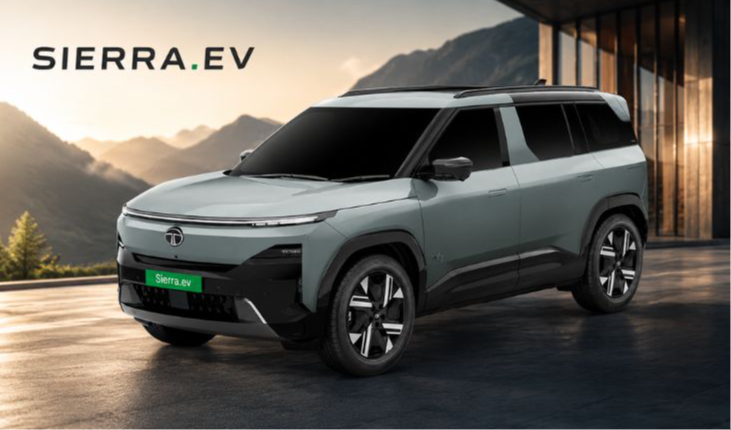
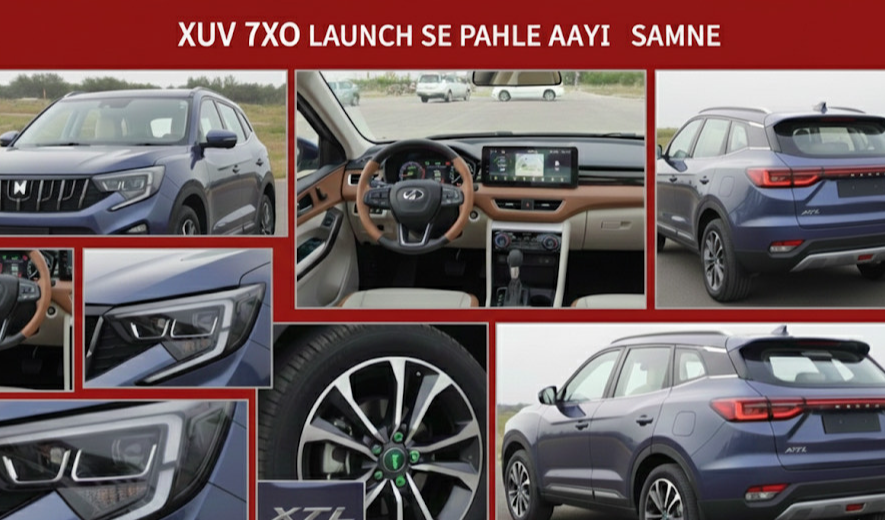
    2026 is going to be a defining year for Indian car buyers. For the first time, the market is seeing simultaneous growth in multiple areas: next-generation SUVs, affordable electric vehicles, premium technology adoption, hybrid powertrains, and family-focused MPVs. This is not just “another new model year” — this is a **transition phase** where choices finally match buyer demand across budgets and lifestyles. From rugged SUVs to city-smart hatchbacks, here’s a complete breakdown of **30 highly anticipated cars coming to India in 2026**, with realistic price expectations, performance insights, and practical notes that every buyer should know before making a decision. 🏆 Why 2026 Matters for Indian Car Buyers Before we dive into the list, it’s worth understanding the backdrop. India’s automotive market is evolving rapidly: EV adoption rising: More charging infrastructure + more affordable EV options. SUV dominance continues: SUVs & compact SUVs still account for the largest share of sales. Hybrid tech expanding: Automakers are bringing stronger hybrid powertrains for city & highway efficiency. Digital features expected: Connectivity, ADAS, OTA updates and smart cabin tech are now baseline buyer requirements. In short, 2026 is not just about launches — it’s about **technology, experience, and real-world usability making cars smarter, safer, and more relevant to Indian roads**. 🔥 SUVs & Compact SUVs – Major Lineup for 2026 Compact SUVs and midsize SUVs dominate buyer interest because they offer the best mix of space, ground clearance, comfort, and value for money. We start with this segment since it forms the backbone of the Indian auto trend. Renault Duster 2026 (New-Gen) The beloved Duster nameplate returns with an all-new generation. Gone are the crude suspension and outdated interiors — the 2026 Duster will feel modern, refined, and rugged at the same time. Expected Price: ₹11 – ₹17 lakh Performance: Turbo petrol with strong mid-range torque; optional mild-hybrid for city efficiency Why It’s Exciting: Genuine SUV feel + great ground clearance + practical dynamics This model could redefine what buyers expect from an affordable off-road capable SUV. Tata Sierra EV & Tata Sierra ICE Tata is betting big on the Sierra brand with both electric and ICE powertrains. This strategy makes Sierra appealing to both EV adopters and traditional buyers. Expected Price – EV: ₹25 – ₹30 lakh Expected Price – ICE: ₹15 – ₹20 lakh Performance – EV: ~450–500 km real range with quick acceleration Performance – ICE: Torque-rich petrol tuned for smooth city + highway travel Why this matters: Offering both powertrain options under the same nameplate gives buyers choice — and that’s rare in India. Mahindra XUV 7XO (XUV700 Facelift) Mahindra’s flagship SUV gets a major refinement in 2026. This isn’t just a cosmetic facelift — suspension, NVH, and ADAS calibration will get meaningful upgrades. Expected Price: ₹14 – ₹26 lakh Performance: Proven engines with improved calibration for smoother response Feature Focus: Better safety tech + more connected features This will remain one of the first choices for families who value space and performance. Kia Seltos New Generation The Seltos has been a trendsetter in its segment. The new generation will focus on cabin quality, connected tech, and improved dynamics. Expected Price: ₹11 – ₹20 lakh Performance: Refined turbo petrol & diesel options Buyer Pitch: Urban SUV with premium feel at mainstream pricing Hyundai Creta Facelift 2026 Creta has been a cash cow for Hyundai. The facelift will bring sharper styling and upgraded interior tech while keeping efficiency balanced. Expected Price: ₹11 – ₹19 lakh Performance: Efficient engine calibration for daily commuting Maruti Grand Vitara 7-Seater & Toyota Urban Cruiser Hyryder 7-Seater Seven-seat SUVs are finally entering mainstream segments. Maruti and Toyota are targeting families who want space without premium pricing. Expected Price – Grand Vitara: ₹14 – ₹22 lakh Expected Price – Hyryder: ₹15 – ₹23 lakh Performance: Smooth hybrid powertrains for fuel efficiency + daily usability These will be among the first mainstream 7-seat options in this price band. Nissan Compact SUV (Magnite-Based) Nissan plans a refreshed compact SUV based on the Magnite architecture. Expected to be value-centric with a feature punch. Expected Price: ₹7 – ₹11 lakh Performance: City-first turbo petrol with decent flexibility Skoda Kushaq & Volkswagen Taigun Facelifts Both Skoda and Volkswagen are updating their popular siblings with fresher aesthetics and slightly improved driving dynamics. Expected Prices: ₹11 – ₹18 lakh (both) Performance: European-tuned suspension + turbo engines with balanced power delivery Honda Elevate EV & Citroen C3 Aircross Facelift Honda’s first EV SUV and Citroen’s practical compact SUV refresh will both compete in the value + urban SUV bracket. Expected Price – Elevate EV: ₹18 – ₹25 lakh Expected Price – C3 Aircross: ₹10 – ₹14 lakh Performance: Elevate EV designed for smooth city commuting; Aircross optimized for ride comfort ⚡ Electric Cars Expected in 2026 Electric vehicles are finally not just talk — manufacturers are bringing real alternatives for Indian buyers across budgets. Maruti e-Vitara Expected Price: ₹18 – ₹25 lakh Performance: Built as EV with balanced range + comfort Positioning: Maruti’s credible EV contender Maruti WagonR Electric Expected Price: ₹8 – ₹11 lakh Performance: City-centric range with low running cost Why It Matters: More accessible EV for mass buyers Tata Curvv EV & Tata Harrier EV Tata’s electric offensive will strengthen with both Curvv and Harrier EVs, one focused on range and the other on premium presence. Expected Price – Curvv EV: ₹20 – ₹25 lakh Expected Price – Harrier EV: ₹28 – ₹35 lakh Performance: Dual-mode driving, strong torque, long battery life Mahindra XUV.e8 & XUV.e9 Expected Prices: ₹25 – ₹35 lakh (range depending) Performance: Competitive acceleration + strong tech stack Hyundai Creta EV & Kia Carens EV Hyundai and Kia will enter electric SUV space with popular nameplates. Expected Price – Creta EV: ₹20 – ₹25 lakh Expected Price – Carens EV: ₹22 – ₹28 lakh Performance: Family-ready EV range with comfortable ride 🚘 Sedans & Hatchbacks Coming in 2026 Even the sedan and hatchback categories are getting meaningful updates and fresh launches — showing that the segment is still alive after years of SUV domination. Honda City Facelift 2026 Expected Price: ₹12 – ₹16 lakh Performance: Smooth petrol engines and refined ride Hyundai Verna Facelift Expected Price: ₹11 – ₹17 lakh Performance: Balanced power + comfort Skoda Slavia & Volkswagen Virtus Facelifts Expected Price: ₹11 – ₹18 lakh Performance: European-tuned handling with sky infotainment upgrades Maruti Baleno 2026 & Maruti Swift Hybrid Maruti balances practicality with modern hybrid efficiency. Expected Price – Baleno: ₹7 – ₹11 lakh Expected Price – Swift Hybrid: ₹9 – ₹13 lakh Performance: Mileage-forward city performance Toyota Corolla (Possible India Comeback) Expected Price: ₹20 – ₹25 lakh Performance: Efficient hybrid powertrain + legendary reliability 🚐 MPVs & Families MPVs are getting renewed focus — not only for daily commuting but also for travel and family usability. Kia Carens Facelift Expected Price: ₹11 – ₹18 lakh Performance: Comfortable ride with feature-rich cabin Nissan 7-Seater MPV (Triber/Renault-Based) Expected Price: ₹8 – ₹12 lakh Performance: Practical family MPV with city manners Final Thoughts – Should You Wait or Buy Now? If you are planning to buy a car in the next 12–18 months, 2026 releases present a **rare window of opportunity**. With better EV options, hybrid powertrains, and refreshed SUVs, buyers will have more choices at competitive prices. However, waiting does not mean compromising — it means making a **better decision with better technology and long-term value**. My personal take is simple: if your current car meets your needs for now, waiting for these 2026 launches will be worth it — especially in the SUV and EV categories. If you need a car urgently, there are still excellent options available today that will remain relevant even after the new launches.

    Top Mileage Bikes in India 2026 – Best Fuel-Efficient Motorcycles for Daily Use

    Updated for 2026 – written for real Indian riders, not brochure readers. With rising fuel prices and daily commuting becoming more expensive, mileage has once again become the most important factor for Indian bike buyers. Whether you are a student, office commuter, delivery rider, or someone simply looking to reduce monthly fuel expenses, a high-mileage motorcycle can save you thousands of rupees every year. In this detailed guide, we look at the top mileage bikes in India that continue to deliver excellent fuel efficiency even in real-world riding conditions. This article focuses not just on claimed mileage, but also on engine reliability, comfort, practicality, maintenance cost, and long-term ownership value. Top Mileage Bikes in India – Quick Overview Bike Claimed Mileage Price Range   Hero Splendor Plus ~80-83 km/l ₹75–₹78K   TVS Star City Plus ~83 km/l ₹75–₹80K   Bajaj CT100 ~89 km/l ₹50–₹55K   TVS Sport ~70-75 km/l ₹60–₹71K   TVS Radeon ~73 km/l ₹60-₹85K   Bajaj Platina 100 ~75 km/l ₹70–₹72K   Bajaj Platina 110 ~70 km/l ₹63–₹70K   Hero HF Deluxe ~65-70 km/l ₹60–₹68K   Honda CD110 ~74 km/l ~₹66K   Hero Passion / XTEC ~65-70 km/l ₹88-₹90K   1. Hero Splendor Plus The Hero Splendor Plus remains the undisputed mileage king for Indian roads. In 2026, it continues to dominate the commuter segment because of its bulletproof engine reliability, low maintenance cost, and predictable performance. Real-World Mileage:In daily city riding, the Splendor Plus easily delivers 65–75 km/l, and careful highway riding can push it close to claimed figures. Engine & Reliability:The engine is simple, proven, and stress-free. Even after years of use, it maintains consistent mileage. Practicality:Lightweight body, easy clutch, comfortable upright seating — perfect for all age groups. 2. TVS Star City Plus TVS Star City Plus is often overlooked, but it is one of the most refined high-mileage bikes available in India. Mileage Performance:Real-world figures hover around 70–75 km/l, making it extremely cost-effective. Ride Quality:TVS suspension tuning gives it better comfort on rough roads compared to many rivals. Why Consider It:Good braking, smooth engine, and slightly premium feel in the commuter segment. 3. Bajaj CT100 If your only priority is maximum fuel efficiency at the lowest possible cost, the Bajaj CT100 still makes sense in 2026. Mileage Champion:With careful riding, real-world mileage of 75–80 km/l is achievable. Engine Simplicity:No unnecessary electronics, no complications — which helps long-term reliability. Downside:Basic design, minimal features, and average comfort. 4. TVS Sport TVS Sport is designed specifically for fuel efficiency and light commuting. Fuel Economy:In city use, riders often report 65–70 km/l. Comfort & Handling:Soft suspension makes it comfortable for daily rough-road usage. Who Should Buy:Students, short-distance commuters, and delivery riders. 5. TVS Radeon TVS Radeon offers a more mature design and better comfort compared to basic commuters. Mileage:Real-world efficiency stays close to 65–70 km/l. Build Quality:Feels solid and well-built for long-term use. Practical Advantage:Wider seat and relaxed ergonomics help on longer rides. 6. Bajaj Platina 100 The Platina 100 is well known for balancing comfort and mileage. Mileage:Delivers consistent fuel economy without much riding effort. Comfort:Long seat and soft suspension are excellent for Indian roads. Best Use Case:Daily office commute with occasional highway riding. 7. Bajaj Platina 110 For riders who want a bit more power without sacrificing mileage, the Platina 110 is a smart choice. Mileage vs Power Balance:Slightly lower mileage than 100cc bikes, but better torque and ride comfort. Ride Quality:Handles potholes and speed breakers better than lighter commuters. 8. Hero HF Deluxe Hero HF Deluxe is another dependable commuter bike with strong service support. Mileage:Consistently delivers 60–70 km/l in city riding. Ownership Cost:Spare parts are cheap and easily available even in small towns. Downside:Feels basic and lacks premium features. 9. Honda CD110 Honda CD110 focuses on refinement and engine smoothness. Engine Smoothness:One of the smoothest engines in the commuter category. Mileage:Real-world figures are strong, especially on highways. 10. Hero Passion / Passion XTEC The Passion series targets buyers who want mileage with a slightly premium feel. Mileage:Returns 60–70 km/l in mixed riding conditions. Features:XTEC variant adds digital display and modern touches. Who It’s For:Young commuters looking for style with efficiency. Key Tips to Get Maximum Mileage in Real Life Maintain proper tyre pressure Avoid aggressive acceleration Service your bike on time Ride in optimal gear range Avoid unnecessary load Real-World Mileage vs Claimed Mileage: The Truth Every Buyer Should Know One of the biggest mistakes Indian bike buyers make is trusting brochure mileage numbers without understanding real-world riding conditions. Claimed mileage figures are achieved under controlled test environments, which are very different from daily Indian road usage. In real life, factors such as traffic density, road conditions, riding style, load, tyre pressure, and even fuel quality significantly affect mileage. This is why a bike that claims 80 km/l may realistically deliver anywhere between 60–70 km/l in daily city riding. For example, bikes like the Hero Splendor Plus and TVS Star City Plus consistently perform closer to their claimed numbers because their engines are lightly stressed and tuned for efficiency rather than performance. On the other hand, bikes that are frequently ridden with heavy loads or aggressive throttle inputs see a noticeable drop in fuel economy. Understanding this gap helps buyers set realistic expectations and avoid disappointment after purchase. Why Engine Tuning Matters More Than Engine Size Many buyers believe that smaller engines automatically deliver better mileage. While engine size plays a role, engine tuning and gear ratios are far more important in real-world conditions. Manufacturers like Hero, TVS, and Honda focus heavily on torque delivery at low RPMs. This allows the bike to move smoothly in traffic without frequent gear changes or high revving, which directly improves fuel efficiency. For instance, the Honda CD110 may not have the highest claimed mileage, but its smooth engine and refined combustion allow it to maintain consistent efficiency over long periods. This is especially beneficial for riders who commute long distances daily. In contrast, poorly tuned engines may deliver good mileage only when ridden very gently, making them impractical for real Indian riding conditions. Maintenance Cost and Its Impact on Long-Term Mileage Mileage is not just about fuel consumption; it is also about how well a bike maintains that efficiency over time. Regular oil changes, clean air filters, timely spark plug replacement, and proper chain lubrication play a critical role in maintaining fuel efficiency. Bikes like the Bajaj CT100 and Hero HF Deluxe benefit from extremely simple mechanical setups, making them easier and cheaper to maintain. Lower maintenance cost also means owners are more likely to service their bikes on time, indirectly preserving mileage and engine health. Comfort, Riding Posture, and Mileage Connection Comfort may not seem directly related to mileage, but it has a strong indirect impact. An uncomfortable riding posture leads to frequent acceleration, braking, and riding fatigue — all of which reduce fuel efficiency. Bikes such as the Bajaj Platina series and TVS Radeon offer wider seats and softer suspension, allowing riders to maintain steady speeds for longer durations. This results in smoother throttle inputs and better mileage. For riders who spend several hours on the road daily, comfort-focused commuter bikes often deliver better real-world efficiency than lighter but harsher alternatives. Who Should Buy High-Mileage Bikes in 2026? High-mileage bikes continue to make sense for a large section of Indian buyers in 2026. These include students, office commuters, small business owners, delivery riders, and anyone who rides more than 30–40 km daily. Even with the rise of electric two-wheelers, petrol mileage bikes remain relevant due to lower upfront cost, faster refuelling, wider service networks, and long-term reliability. Choosing the right mileage bike is about balancing efficiency, comfort, engine reliability, and ownership cost — not just chasing the highest number on paper. A well-chosen mileage bike saves money every day, every month, and every year. Conclusion: Which Mileage Bike Should You Choose in 2026? Mileage bikes continue to be the backbone of Indian commuting in 2026. While EVs are growing, petrol commuters still make sense due to low upfront cost, a wide service network, and easy maintenance. If your priority is absolute fuel savings, bikes like Hero Splendor Plus, TVS Star City Plus, and Bajaj CT100 remain unbeatable. However, comfort, refinement, and reliability should also play a role in your final decision. A high-mileage bike is not just about fuel economy — it is about peace of mind, low running cost, and stress-free ownership.

    10 Cars You Should Not Buy in 2026

    The automobile market in India is rapidly evolving. With stricter safety norms, rising fuel costs, emerging EV alternatives, and ever-improving competition, some cars that were once decent choices no longer make sense in 2026. This list looks at 10 cars you should avoid buying in 2026, backed by clear reasons related to engine performance, mileage, safety scores, practicality, and long-term value. Whether you are a first-time buyer or upgrading your car, this guide ensures you don’t make a choice you might regret. 1. Tata Tigor (Petrol) Why You Should Avoid It in 2026 Tata Tigor is a popular compact sedan, but in 2026, its petrol variant feels dated and compromised. Engine & PerformanceThe engine delivers decent power, but compared to newer cars in the segment, it feels underwhelming — especially on highways. Mileage? Not GreatReal-world mileage figures often fall short of claimed numbers, especially in city traffic. Safety ComparisonsWhile the Tigor does reasonably well in safety, rival hatchbacks and sedans now offer better features and crash protection at similar prices. Better Alternatives: Hyundai Aura, Maruti Dzire — all offer better refinement, mileage, and service networks. 2. Renault Kwid Why You Should Avoid It in 2026 The Kwid tried to be a budget breaker, but in 2026, the gaps are too big. Low Safety RatingsKwid continues to lag in safety equipment and crash protection compared to newer entries with better ratings. Underpowered EngineThe small engine is fine for minimal city use, but performance drops sharply when fully loaded. Mileage vs RealityHits claimed economy only in ideal conditions — real-life figures are often much lower. Resale Value ConcernsPoor brand perception and low demand mean depreciation hits hard. Verdict: Price alone isn’t enough reason to compromise so much. 3. MG Hector Why You Should Avoid It in 2026 Once a trendsetter with big screens and features, the Hector now struggles to justify its pricing and value. Performance LagThe heavy body with not-so-potent engines makes the Hector feel sluggish. Safety? AverageSafety features are okay, but updated competitors offer more robust protection and better handling dynamics. High Price, Lower ValueMore expensive than rivals like Hyundai Creta and Kia Seltos — without a performance or value edge. Poor Fuel EfficiencyBoth petrol and diesel variants tend to deliver mileage lower than segment peers. 4. Mahindra Scorpio Classic Why You Should Avoid It in 2026 The Scorpio Classic survived on nostalgia, but in 2026, it fell short of expectations. Old-School Engine & RideThe classic diesel engine feels jerky and outdated compared with modern smooth powertrains. Mileage DisadvantageReal fuel economy figures are poor — especially when compared with newer SUVs in the same price bracket. Safety Levels Below Modern StandardsNewer SUVs offer more airbags, stability systems, and better crash test results. Practicality IssuesRide comfort, NVH, and interior refinement lag far behind alternatives. 5. Maruti Suzuki Ignis Why You Should Avoid It in 2026 The quirky Ignis might appeal to some, but practicality and performance issues stop it from being a smart buy today. Meager Engine PerformanceThe small petrol engine feels strained on highways, and overtaking can be stressful. Outdated FeaturesThe features list feels dated compared to facelifted rivals under the same budget. Space & PracticalityRear seat space and boot capacity are limited compared to hatchbacks like the Tata Tiago. 6. Hyundai Grand i10 Nios (2-Airbag Models) Why You Should Avoid It in 2026 While the Grand i10 Nios is a good car overall, the 2-airbag variant has become a bad deal. Insufficient SafetyIn 2026, only 2 airbags will no longer be acceptable for a showroom purchase. Value for Money DroppedThe price gap between the 2 and 4-airbag variants is small, making the base model a poor value. 7. Suzuki Baleno (2-Airbag Variants) Why You Should Avoid It in 2026 The Baleno is a strong package, but the 2-airbag variants now fail to justify buying. Safety Priority MattersLow-airbag variants feel outdated as buyers prioritize safety more than ever. Resale Might SufferUsed-car buyers increasingly avoid low-safety variants. 8. Mahindra Marazzo Why You Should Avoid It in 2026 MPV Marazzo promised space and comfort, but in 2026, it no longer feels competitive. Underwhelming Engine ResponseThe diesel engine lacksthe refinement expected at this price. Practicality vs CompetitionWith the rise of 7-seat SUVs, MPVs like Marazzo feel less appealing. 9. Maruti Celerio Why You Should Avoid It in 2026 The Celerio was once an entry-level favorite, but today it feels outdated. Safety & Space IssuesSafety kit remains basic, and rear-seat comfort is limited. Average Real-World MileageMileage is not as impressive as claimed once driven in daily conditions. 10. Honda City Why You Should Avoid It in 2026 The Honda City once ruled the segment, but newer rivals have moved ahead. Outdated PowertrainModern turbo and hybrid engines from rivals offer better efficiency and performance. Price vs ValuePricing is close to better-equipped competitors, hurting value perception. Conclusion: Smart Buying in 2026 In 2026, buying a car is about safety, long-term value, and real-world usability. While these cars still exist in showrooms, they fail to deliver competitive value against modern alternatives. Always compare safety features, real mileage, engine performance, and ownership costs before making your final decision. A smart car purchase should feel like an investment — not a regret.

    European Cars in India: How a 110% to 40% Tariff Cut Could Lower Prices

    For years, European cars in India have carried a premium tag that placed them far beyond the reach of most buyers. High import duties, complex regulations, and limited localization have made brands like BMW, Mercedes-Benz, Audi, Volkswagen, Volvo, and Skoda expensive compared to their global pricing. Now, a major policy discussion by the Indian government could change this reality forever. Reports suggest that India is considering reducing import tariffs on European cars from nearly 110% to around 40%. If implemented, this move could significantly lower prices, reshape buyer behavior, and disrupt the Indian automotive market in a big way. In this blog, we will break down what this tariff cut means, which European brands stand to benefit, how much prices could realistically drop, and whether this decision is actually good for Indian car buyers in the long run. Understanding the Current Import Duty Structure in India At present, fully imported cars (CBUs – Completely Built Units) attract some of the highest import duties in India. Based on the engine capacity and vehicle segment, the overall tax load can go as high as 100–110%. This includes basic customs duty, cess, GST, and additional surcharges. This is the primary reason why a car that costs ₹35 lakh abroad ends up costing ₹70–80 lakh in India. European manufacturers either pass this cost to buyers or avoid launching many global models altogether. The proposed reduction to 40% could dramatically reduce this gap and allow more global models to enter India. Why Is the Indian Government Considering a Tariff Reduction? The move is being discussed as part of broader trade negotiations with the European Union. India wants better access to European markets for its goods, while European nations want easier entry for their automobiles. From the government’s perspective, lower tariffs could: Increase competition in the premium car segment Give Indian consumers more choices Encourage global manufacturers to bring advanced technology Improve safety and emission standards through better products However, it also raises concerns about the impact on local manufacturing and domestic brands. Major European Car Brands in India Let’s look at the key European brands that could benefit directly from this tariff cut. 1. Mercedes-Benz Mercedes-Benz already assembles many cars locally, but premium imports like the G-Class, Maybach, and AMG models are heavily taxed. A tariff reduction could slash prices of flagship models by ₹20–40 lakh. 2. BMW BMW imports models like the i7, XM, and M series. These performance and luxury cars could see price reductions of up to 30%, making them far more competitive. 3. Audi Audi relies heavily on imported models. Lower tariffs could help Audi revive its lineup in India and bring global models faster. 4. Volkswagen Volkswagen’s global performance cars like the Golf GTI, Tiguan R, and Arteon could become more accessible. 5. Skoda Skoda could introduce international-spec sedans and SUVs at more realistic prices. 6. Volvo Volvo imports most of its cars into India. A tariff cut could finally allow Volvo to price its cars competitively against German rivals. 7. Porsche Porsche is one of the biggest potential winners. Sports cars like the 911, Taycan, and Cayenne could see massive price drops. Estimated Price Impact: Before vs After Tariff Cut Below is an approximate estimate of how prices could change if import duties are reduced from 110% to 40%. Car Model (European, CBU) Current Approx Price (₹) Expected After Duty Cut (₹) Mercedes-Benz G-Class ₹2.90–4.00 Cr ₹2.00–2.70 Cr Land Rover Defender 130 ₹1.70–2.00 Cr ~₹1.15 Cr BMW M4 Competition ~₹1.55 Cr ~₹1.08 Cr Audi RS Q8 ~₹2.30 Cr ~₹1.60 Cr Porsche 911 Carrera ~₹2.10 Cr ~₹1.47 Cr Lamborghini Urus ~₹4.40 Cr ~₹3.08 Cr Bentley Bentayga ~₹5.00 Cr ~₹3.50 Cr Ferrari Roma ~₹3.80 Cr ~₹2.66 Cr Ferrari Purosangue (V12 SUV) ~₹5.50 Cr ~₹3.80 Cr Rolls-Royce Ghost ₹6.95–7.95 Cr ~₹4.80–5.50 Cr Range Rover (Top Trims) ₹2.60–4.17 Cr ~₹1.80–2.90 Cr These are not official prices, but realistic projections based on tax reduction math. How This Could Change the Indian Car Market A major tariff reduction will not just affect luxury buyers. It will reshape the entire ecosystem. More Choices for Buyers Indian consumers will finally have access to global models that were never launched due to high taxes. Pressure on Indian Luxury Brands Locally assembled luxury cars may face pricing pressure, forcing manufacturers to add more features or cut margins. Technology Transfer Advanced safety systems, hybrid engines, and performance tech could enter India faster. Impact on Electric and Hybrid European Cars This policy could be a game-changer for European EVs. Brands like BMW, Audi, Mercedes, and Volvo have strong electric portfolios. Lower import duties could: Reduce EV prices by ₹15–25 lakh Improve EV adoption in premium segments Introduce global EV platforms in India This aligns well with India’s long-term electric mobility goals. Is This Bad for Indian Manufacturers? This is where the debate gets serious. Indian automakers fear that cheaper imports could hurt local production. However, premium European cars operate in a different segment. Mass-market buyers are unlikely to switch from affordable Indian cars to imported European luxury vehicles. In my opinion, competition at the top end actually pushes the entire industry forward. My Personal Opinion on This Policy Change As an automobile observer, I believe this tariff reduction is overdue. Indian buyers have been paying inflated prices for years without any real justification. Lower duties won’t kill Indian manufacturing. Instead, it will: Force brands to innovate Improve product quality Give buyers value for money The key is balance. Imports should be encouraged, but local manufacturing must also be protected through smart policies. Will This Policy Actually Be Implemented? While discussions are ongoing, implementation will depend on trade agreements, political consensus, and industry feedback. If approved, this could be one of the most impactful automotive policy changes in recent years. Final Verdict If India reduces import tariffs on European cars from 110% to 40%, it will be a historic shift. Luxury cars will become more attainable, EV adoption will rise, and consumers will finally get fair pricing. For car enthusiasts and premium buyers, this could be the best news in years. Sources Indian automotive policy discussions European trade negotiation reports Industry pricing analysis Automobile market trends in India

    0 546 0