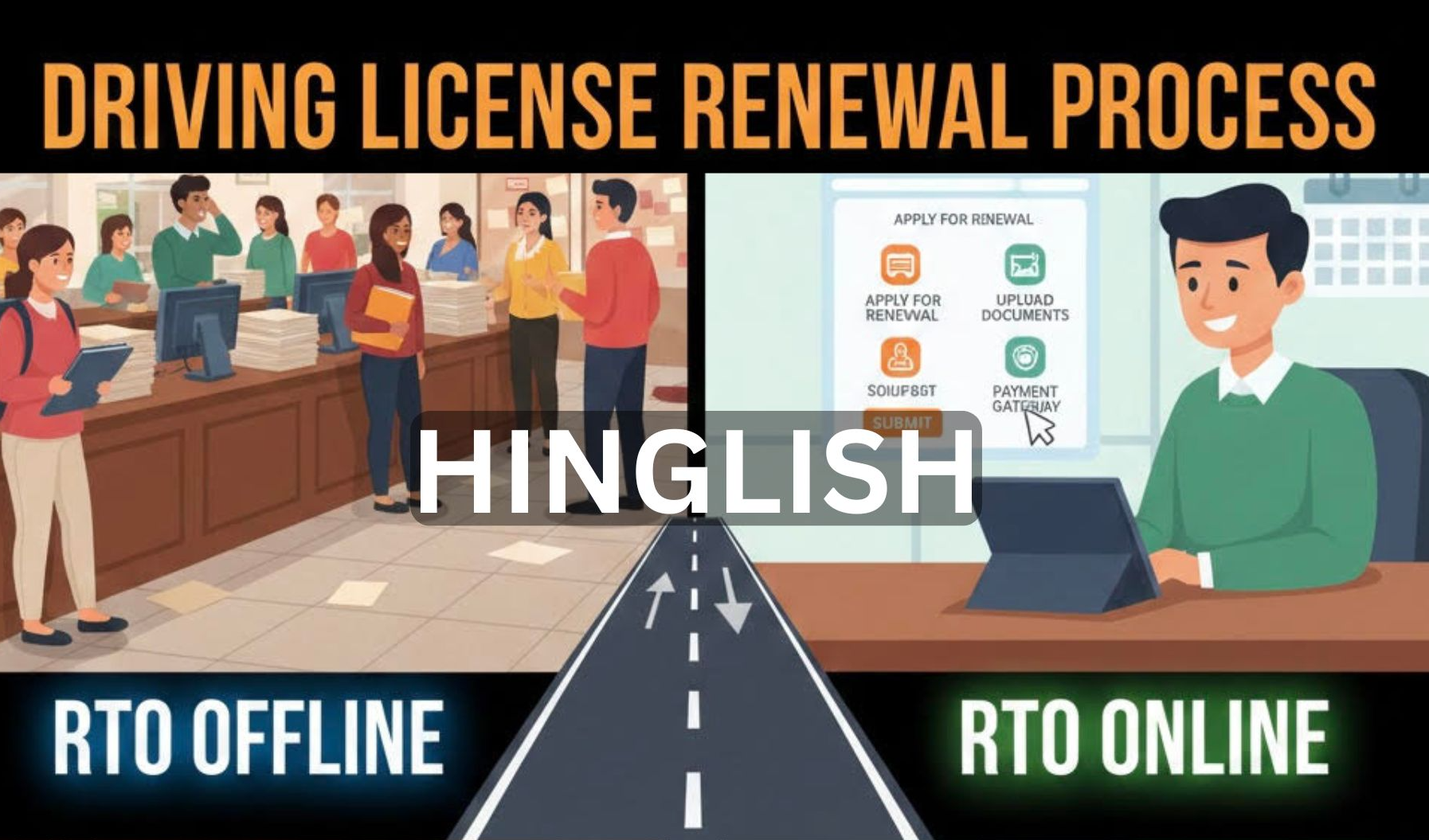
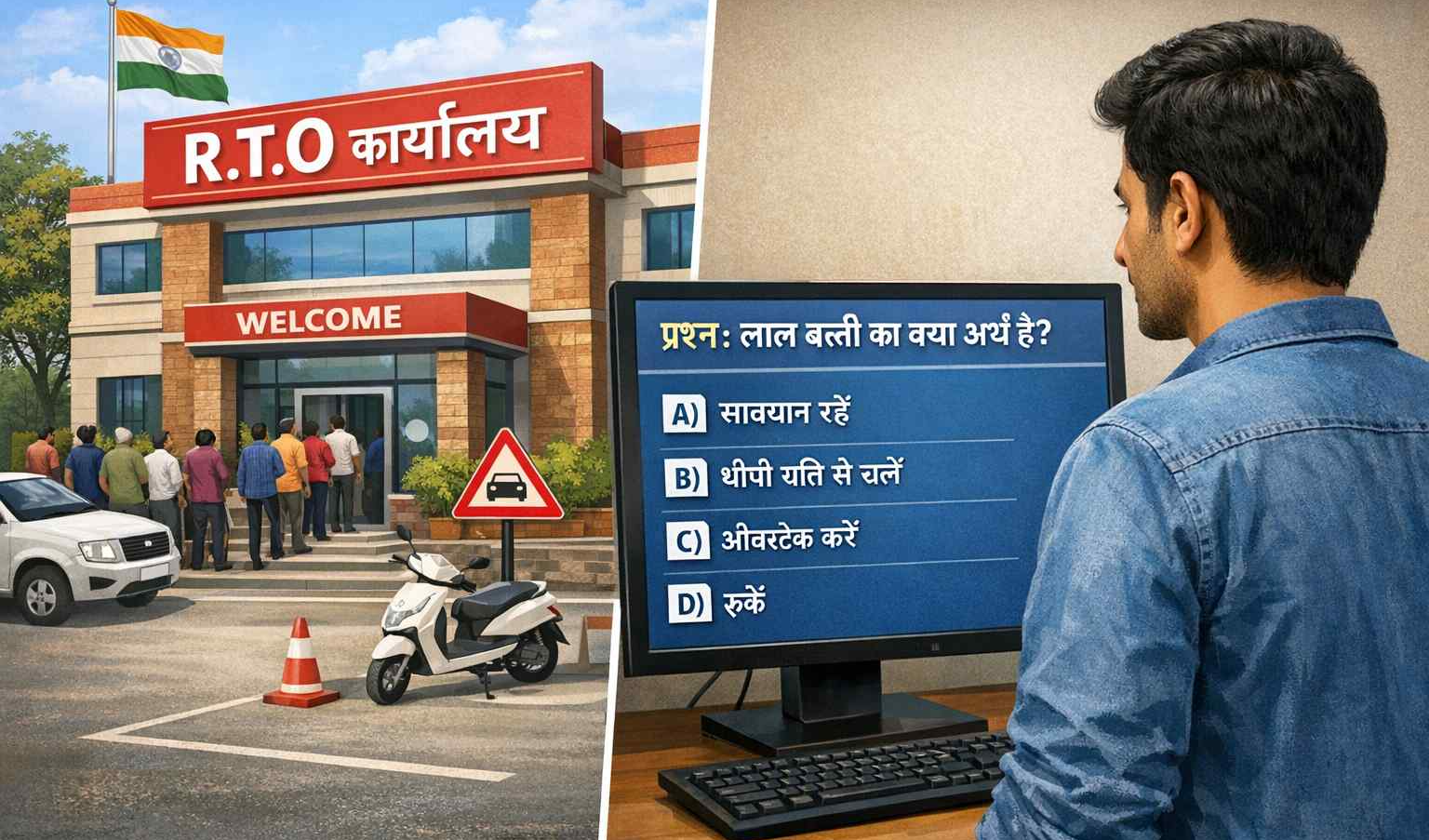
Getting a Learner License (LL) is the first and most important step toward becoming a legal driver in India. For many beginners, the learner license test feels confusing and stressful, mainly because people don’t know what kind of questions are asked and how to prepare properly.
If you are searching for:
Learner license test questions and answers
LL test preparation guide
How to pass learner license test in first attempt
Then this detailed guide is exactly for you.
As an automobile creator, I’ve seen that most people fail the LL test not because it’s difficult, but because they prepare in the wrong way. This blog will help you understand the pattern, important topics, sample questions, and smart preparation tips — all explained in simple English.
What Is a Learner License Test?
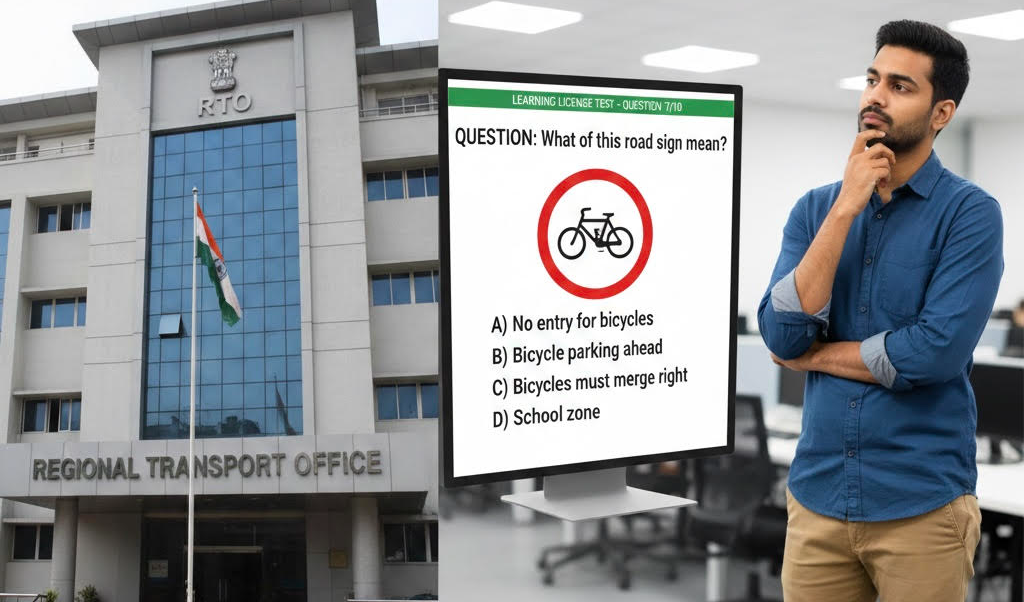
A learner license test is a basic theory test conducted by the Regional Transport Office (RTO). It checks whether you understand:
Traffic rules
Road signs
Safe driving practices
Basic responsibilities of a driver
The test ensures that before you start driving on the road, you have minimum required knowledge to stay safe and avoid accidents.
Learner License Test Pattern Explained
Before jumping into questions, it’s important to understand the test format.
General Test Pattern
Multiple Choice Questions (MCQs)
Around 10–15 questions
Time-bound test
Computer-based in most RTOs
Passing Criteria
You must answer most questions correctly
No negative marking
Questions are simple if you understand the basics
The key is concept clarity, not memorization.
Main Topics Covered in Learner License Test
The learner license test questions usually come from these major areas:
Road signs and symbols
Traffic rules and regulations
Road safety and driving ethics
Vehicle controls and signals
Legal responsibilities of a driver
Let’s understand each topic with easy questions and answers.
Road Signs Questions & Answers
Road signs are one of the most important sections of the learner license test.
Q1. What does a red circular sign indicate?
Answer: A red circular sign means prohibition or restriction, such as “No Entry” or “No Parking”.
Q2. What does a triangular road sign represent?
Answer: A triangular sign indicates warning, alerting drivers about possible danger ahead.
Q3. What does a blue circular sign mean?
Answer: A blue circular sign gives mandatory instructions, such as “Turn Left Only”.
Q4. What does a stop sign indicate?
Answer: It instructs the driver to come to a complete halt and proceed only when the road is clear.
Traffic Rules Questions & Answers
This section checks your understanding of basic traffic laws.
Q5. Which side of the road should vehicles drive on in India?
Answer: Vehicles must be driven on the left side of the road in India.
Q6. What should a driver do when the traffic signal turns yellow?
Answer: The driver should slow down and prepare to stop, unless stopping suddenly is unsafe.
Q7. Is wearing a seat belt mandatory?
Answer: Yes, wearing a seat belt is mandatory for the driver and front passenger.
Q8. Is it legal to use a mobile phone while driving?
Answer: No, using a mobile phone while driving is illegal and unsafe.
Road Safety Questions & Answers
This section focuses on responsible driving behavior.
Q9. Why is maintaining a safe distance important?
Answer: It allows enough time to react and brake safely, reducing accident risk.
Q10. What should you do in foggy conditions?
Answer: Drive slowly, use low-beam headlights, and maintain safe distance from other vehicles.
Q11. Why should you avoid over-speeding?
Answer: Over-speeding reduces control and reaction time, increasing the chances of accidents.
Vehicle Control & Signals Questions
These questions check whether you understand basic vehicle operations.
Q12. What does a horn indicate?
Answer: A horn is used to alert other road users, not to express anger.
Q13. What should you do before changing lanes?
Answer: Check mirrors, use indicators, and ensure it is safe to change lanes.
Q14. What is the purpose of indicators?
Answer: Indicators inform other road users about your intention to turn or change direction.
Legal Responsibilities Questions
This part checks whether you know your duties as a driver.
Q15. What documents should a driver carry while driving?
Answer: Valid driving licence, vehicle registration certificate, insurance, and pollution certificate.
Q16. What should you do if you meet with an accident?
Answer: Stop immediately, help the injured, and inform the authorities if required.
Common Mistakes Learner License Applicants Make
Many people fail or struggle because of these avoidable mistakes:
❌ Ignoring road signs
❌ Memorizing answers without understanding
❌ Not reading questions carefully
❌ Rushing through the test
❌ Skipping basic traffic rules
Smart Tips to Pass Learner License Test in First Attempt
Here are some proven preparation tips:
1. Focus on Road Signs First
Road signs are visual and easy to score if you understand their meaning.
2. Learn Rules Through Real-Life Examples
Imagine real driving situations instead of memorizing rules.
3. Practice Online Mock Tests
Mock tests help you understand:
Question pattern
Time management
Commonly repeated topics
4. Stay Calm During the Test
The LL test is simple. Reading carefully is more important than speed.
Why Learner License Knowledge Matters in Real Life
Passing the test is not the final goal. The real purpose of the learner license test is to make you a safe and responsible driver.
Good knowledge helps you:
Avoid accidents
Follow traffic laws confidently
Reduce challans and legal trouble
Protect yourself and others
Driving is a responsibility, not just a skill.
Frequently Asked Questions About Learner License Test
Is the learner license test difficult?
No. It is basic and easy if you understand traffic rules.
Can I retake the test if I fail?
Yes, you can apply again if you fail.
Is the test same for two-wheeler and car?
The basic rules are similar, but vehicle-specific questions may differ slightly.
Final Thoughts – Clear the Test, Learn for Life
The learner license test is not meant to scare you. It is designed to ensure that every new driver understands the basics of road safety and traffic rules before driving independently.
If you prepare with understanding instead of fear, passing the test becomes easy — and more importantly, you become a better, safer driver.
Remember:
A good driver is not the one who drives fast, but the one who drives responsibly.