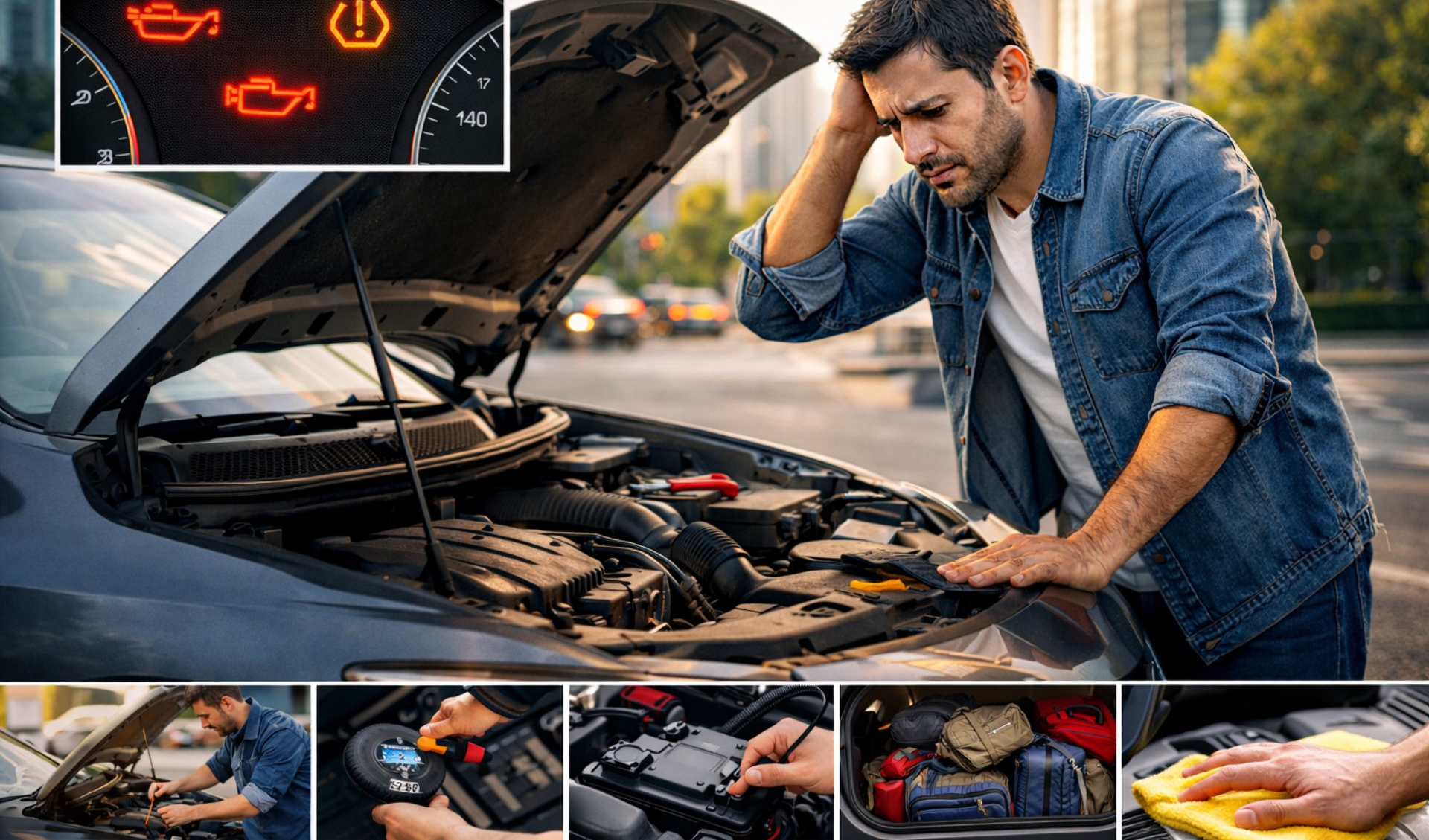
Owning a car in 2026 can be both exciting and challenging. Modern vehicles, whether petrol, diesel, or hybrid, offer incredible convenience, but many owners still fall into common mistakes that reduce performance, increase expenses, and even compromise safety. From neglected maintenance to improper driving habits, these errors can have long-term consequences. In this detailed guide, we explore the 10 most common mistakes car owners make and provide actionable tips to avoid them, ensuring your vehicle stays reliable, safe, and valuable for years to come.
1. Ignoring Regular Maintenance
Skipping routine maintenance is one of the biggest mistakes car owners make. Many people delay oil changes, brake inspections, and filter replacements to save time or money. However, this often results in engine damage, reduced fuel efficiency, or costly repairs.
- Tip: Stick strictly to the manufacturer’s service schedule.
- Tip: Keep a log of all services performed for reference and resale purposes.
Example: A common mistake is delaying oil changes beyond 10,000 km. Over time, engine sludge builds up, reducing performance and causing expensive engine repairs.
2. Overlooking Tire Care
Tires are your car’s only contact with the road. Ignoring them can lead to poor handling, higher fuel consumption, and even accidents. Many owners only check tires during a flat or puncture.
- Tip: Check tire pressure at least once a month.
- Tip: Rotate tires every 6,000–8,000 km to ensure even wear.
- Tip: Inspect tires for cracks, bulges, or worn treads.
Example: Unevenly worn tires not only compromise safety but also reduce mileage and increase suspension wear.
3. Using Low-Quality Fuel or Fluids
Many car owners opt for cheaper fuel, engine oil, or coolant to save money. This short-term saving can cause long-term damage to the engine, transmission, and cooling system.
- Tip: Always use the fuel grade recommended by the manufacturer.
- Tip: Choose high-quality engine oil and replace it according to the schedule.
- Tip: Monitor coolant levels and quality regularly.
Example: Using low-grade fuel in turbocharged engines can lead to knocking, reduced efficiency, and costly repairs.
4. Aggressive Driving Habits
Rapid acceleration, hard braking, and frequent high-speed driving may feel fun, but they put unnecessary stress on the engine, brakes, and suspension. Aggressive driving also increases fuel consumption.
- Tip: Accelerate smoothly and brake gently.
- Tip: Maintain safe distances and drive within speed limits.
Example: Drivers who frequently race through traffic notice faster tire wear, higher brake pad replacement frequency, and increased fuel costs.
5. Neglecting Battery Health
Car batteries are often ignored until failure occurs. Extreme temperatures, leaving lights on, or infrequent use can shorten battery life. Many owners replace batteries unnecessarily early due to neglect.
- Tip: Inspect terminals for corrosion and clean them regularly.
- Tip: Check battery voltage and fluid levels periodically.
- Tip: Drive the car regularly to keep the battery charged.
Example: A car left unused for weeks in extreme cold may require a jump-start, reducing battery lifespan.
6. Ignoring Dashboard Warning Lights
Warning lights exist for a reason. Ignoring them can escalate minor issues into expensive repairs. Owners sometimes assume lights will turn off on their own or reset automatically.
- Tip: Address warning lights immediately by consulting the vehicle manual or a certified mechanic.
- Tip: Never ignore the check engine light, brake warning, or ABS indicators.
Example: Ignoring a low oil warning for days can result in engine seizure or permanent damage.
7. Neglecting Exterior Care
Car exteriors face sunlight, dust, pollution, and rain. Neglecting regular washes and protective treatments leads to rust, paint fading, and lower resale value.
- Tip: Wash your car regularly to remove dirt and grime.
- Tip: Apply wax or ceramic coating for long-term paint protection.
- Tip: Park in shaded areas to prevent UV damage.
Example: Cars left unwashed in rainy or coastal areas often show early rust on the lower panels and wheel arches.
8. Poor Interior Care
Interior cleanliness affects both comfort and resale value. Dust, spills, and stains can accumulate over time, leaving permanent damage.
- Tip: Vacuum regularly and clean spills immediately.
- Tip: Use seat covers and conditioners to protect leather or fabric.
- Tip: Avoid clutter to maintain a hygienic cabin.
Example: Coffee spills on fabric seats, if left untreated, can lead to permanent stains and odors.
9. Overloading the Vehicle
Carrying weight beyond the manufacturer’s recommended limit affects brakes, suspension, and fuel efficiency. Owners often overload vehicles during trips or for daily use.
- Tip: Follow the load limit mentioned in the owner’s manual.
- Tip: Distribute weight evenly to avoid suspension damage.
Example: Excess luggage in the trunk of a hatchback can cause premature shock absorber failure and reduced handling stability.
10. Delaying Professional Help
DIY fixes are tempting, but delaying professional inspections for unusual noises, vibrations, or leaks can worsen problems and increase repair costs.
- Tip: At the first sign of abnormal behavior, visit a certified mechanic.
- Tip: Document any recurring issues to help diagnose problems quickly.
Example: Ignoring a strange engine noise may turn a minor belt replacement into a full engine repair.
Bonus Tips for Smart Car Owners in 2026
- Quick Trip Check: Inspect tire pressure, lights, and fluid levels before every long journey.
- Car Documentation: Keep registration, insurance, and service records organized for easy access.
- Technology Use: Use apps for fuel tracking, maintenance reminders, and navigation for better efficiency.
Conclusion
By avoiding these 10 common mistakes and following the tips outlined above, car owners in 2026 can significantly enhance vehicle lifespan, performance, and safety. Whether you own a petrol, diesel, or hybrid car, regular maintenance, careful driving, and smart ownership habits ensure your car remains reliable and valuable over time. Start applying these practices today and enjoy a smoother, more cost-effective driving experience.
Tip for car enthusiasts: Share this guide with fellow car owners to help them avoid expensive mistakes and promote smarter, safer driving habits.