
Search

    Language Settings
    Select Website Language

    GDPR Compliance

    We use cookies to ensure you get the best experience on our website. By continuing to use our site, you accept our use of cookies, Privacy Policy, and Terms of Service.

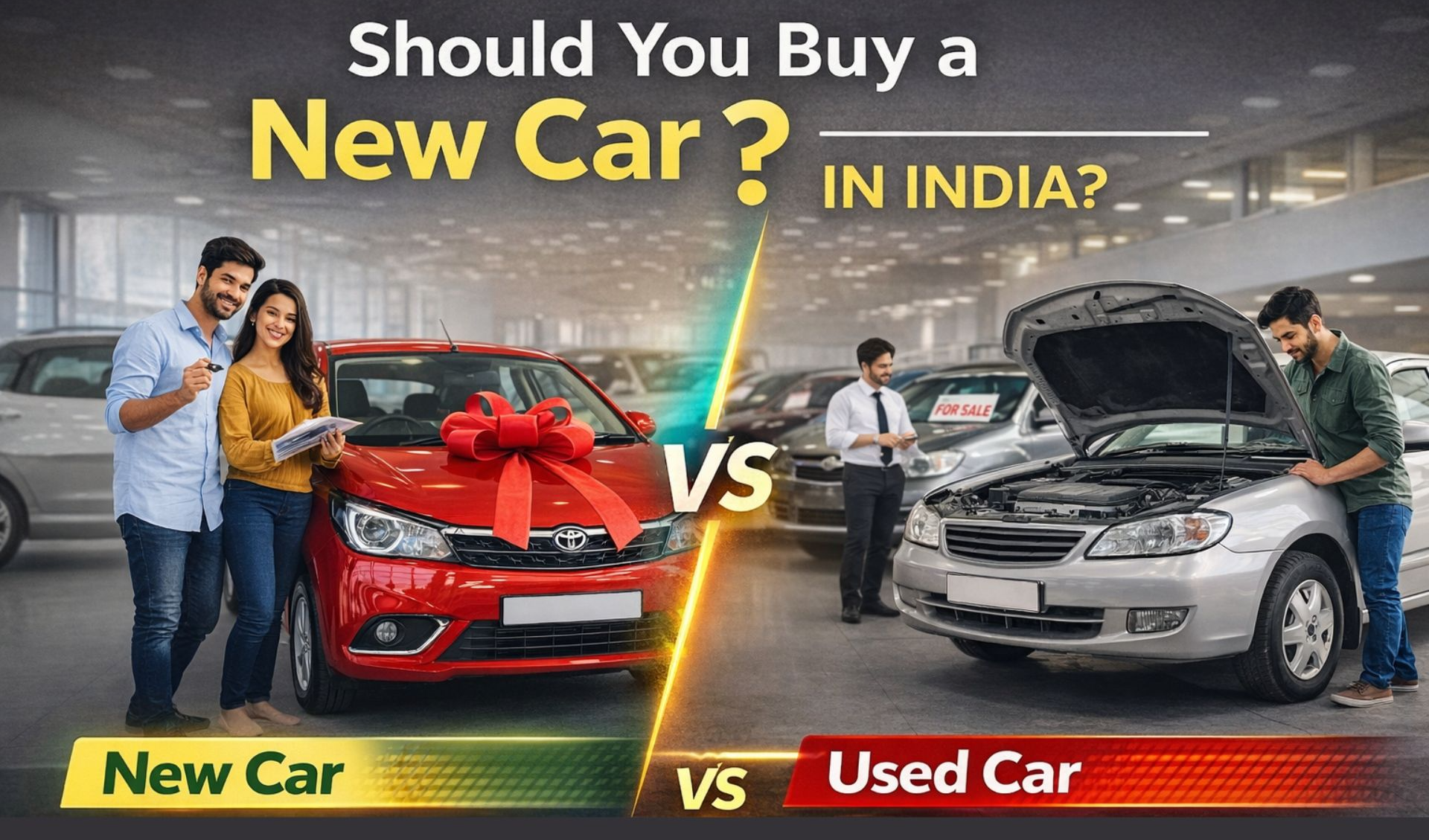
    Should You Buy a New Car or a Used Car in India?

    11 hours ago

    Introduction

    Buying a car in India is no longer just an emotional decision; it has become a major financial commitment. Most Indian buyers today are confused between choosing a brand-new car or opting for a used (second-hand) car. The confusion is natural, as car prices have increased sharply due to higher taxes, stricter emission norms, expensive safety requirements, and rising insurance costs.

    At the same time, long-term EMIs put pressure on monthly finances, while fuel prices and maintenance costs continue to rise. On the other hand, the used car market in India has grown rapidly, offering better quality vehicles, transparent pricing, and certified used car programs from manufacturers.

    This blog is designed to help you make a clear, logical, and practical decision. By the end, you will understand which option suits your budget, lifestyle, and long-term plans.


    What Is a New Car?

    A new car is a vehicle that has never been registered or owned before. It is purchased directly from an authorized dealership and comes straight from the manufacturer.

    One of the biggest advantages of buying a new car is peace of mind. There is no previous usage, no hidden wear and tear, and no history-related risks. Buyers also get the latest technology, modern safety features, and updated engines that meet current emission norms.

    New cars also come with manufacturer warranty, free services for the initial period, and the option of extended warranty, making ownership more predictable and stress-free.


    What Is a Used (Second-Hand) Car?

    A used car is a vehicle that has already been owned and registered by someone else. These cars may range from lightly used, almost-new vehicles to older cars that have been driven for several years.

    Used cars are available through different channels:

    • Dealer-owned used cars: Sold by independent used car dealers
    • Individual sellers: Direct purchase from car owners
    • Certified used cars: Inspected and refurbished cars sold by authorized brand dealerships

    Used cars are becoming increasingly popular in India because they offer significant cost savings, lower depreciation impact, and access to higher segments at affordable prices.


    Price Comparison: New Car vs Old Car

    When buying a new car, buyers often focus on the ex-showroom price, but the actual cost is much higher. The on-road price includes road tax, registration, insurance, and additional charges, which can increase the final amount by 20–30%.

    Used cars, on the other hand, already include most of these costs. Since road tax and initial depreciation are already absorbed, buyers can save a substantial amount.

    For example, a new car priced at ₹10 lakh ex-showroom may cost ₹12–13 lakh on-road, while the same model after 3 years could be available for ₹6–7 lakh.


    Depreciation Factor (Very Important)

    Depreciation is the biggest hidden cost of owning a new car. It refers to the reduction in a car’s value over time.

    • 1st Year: 20–25% value drop
    • 3rd Year: 40–50% value drop
    • 5th Year: 55–65% value drop

    This means a major portion of your investment is lost within the first few years. Used car buyers benefit because they purchase the car after this heavy depreciation phase.


    Maintenance & Service Cost Comparison

    New cars generally have lower maintenance costs in the initial years. Manufacturers offer free services, warranty coverage, and optional service packages that help control expenses.

    Used cars may require higher maintenance depending on age, mileage, and previous usage. Unexpected repairs, part replacements, and wear-related issues are more common.

    However, if a used car is well-maintained and serviced regularly, ownership costs can still remain manageable.


    Warranty & Reliability

    New cars come with a standard manufacturer warranty, typically ranging from 2 to 5 years. Buyers can also opt for extended warranty, ensuring long-term reliability.

    Used cars usually have limited or no warranty unless purchased under certified used car programs. These certified cars often include a short-term warranty and quality checks.


    Technology, Safety & Features

    Modern new cars offer significantly better safety and technology. Features such as multiple airbags, ABS, ESC, hill-hold assist, and ADAS are becoming common.

    Older used cars may lack essential safety equipment and advanced infotainment systems. Additionally, BS6-compliant engines in new cars are cleaner and more efficient than older BS4 models.


    Insurance Cost & Resale Value

    Insurance premiums are higher for new cars due to higher Insured Declared Value (IDV). Used cars have lower insurance costs because the IDV decreases with age.

    In terms of resale value, used cars perform better because depreciation slows down after the first few years.


    Financing & EMI Options

    New car loans are easily available with lower interest rates, longer tenure, and flexible EMI options.

    Used car loans usually come with higher interest rates, shorter tenure, and higher down payment requirements.


    Running Cost & Fuel Efficiency

    New cars deliver better mileage due to improved engine technology and efficiency.

    Old cars may consume more fuel over time due to engine wear and outdated design.


    Emotional vs Practical Decision

    Buying a new car brings emotional satisfaction, pride, and social value.

    Used cars are a more practical choice, offering better financial flexibility and lower risk.


    Who Should Buy a New Car?

    • First-time buyers with stable income
    • Families prioritizing safety
    • Long-term ownership planners
    • Buyers wanting latest features

    Who Should Buy a Used Car?

    • Budget-conscious buyers
    • Beginner drivers
    • Short-term users
    • Frequent upgraders

    Final Verdict: Old Car or New Car?

    There is no universal answer. The right choice depends entirely on your budget, usage pattern, and long-term financial planning. A new car offers peace of mind and safety, while a used car delivers better value and flexibility.

    Evaluate your needs carefully before making a decision.

    Click here to Read More
    Previous Article
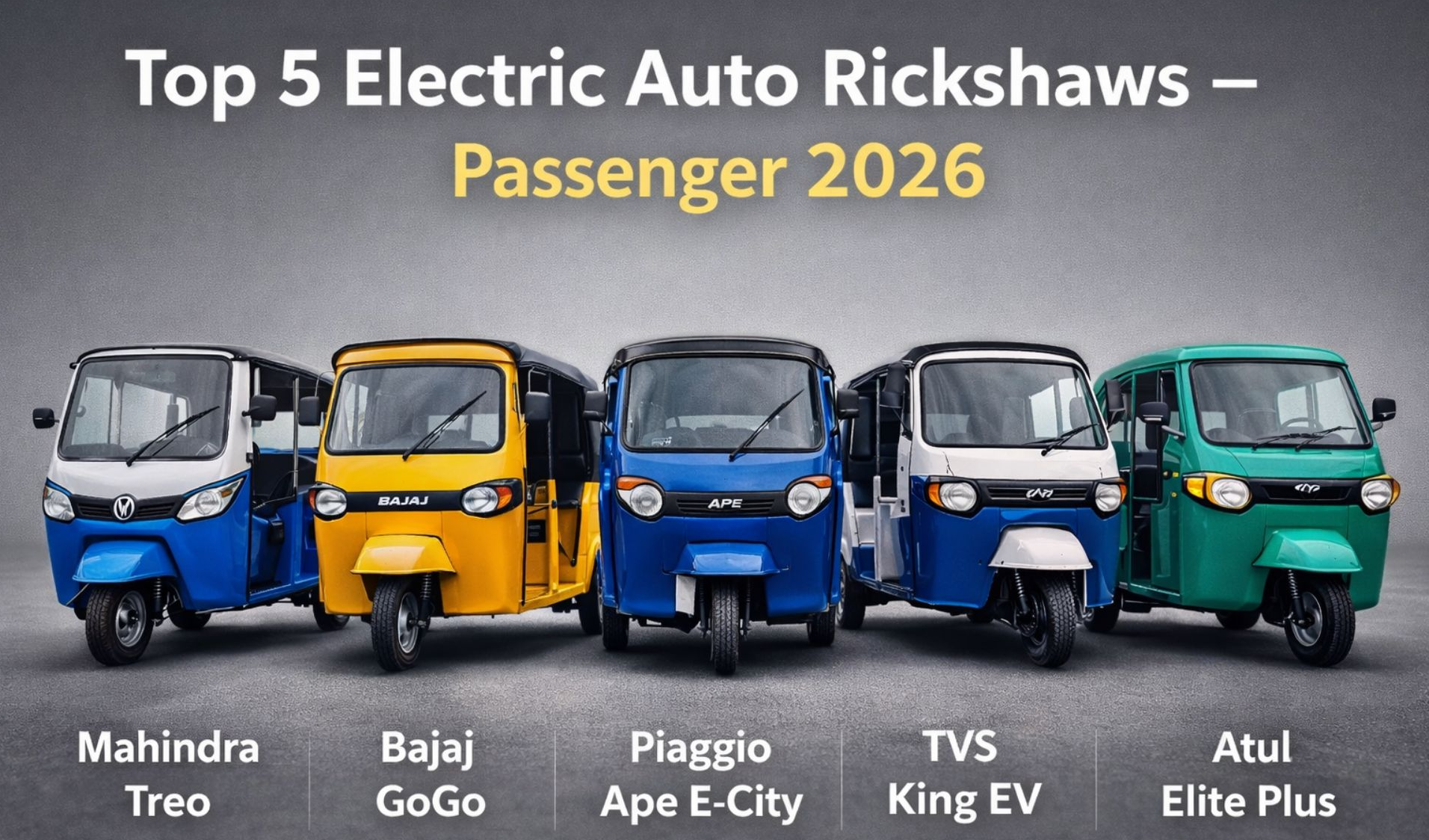
    Top 5 Electric Passenger 3-Wheelers in India

    Related Auto Knowledge Updates:

    Are you sure? You want to delete this comment..! Remove Cancel

    Comments (0)

      Leave a comment